Last updated September 24, 2026
New windows and doors improve comfort, cut energy bills and add long-term value to your home. Sightline Windows & Doors South Miami Heights pairs proven product lines with our own installing crews for lasting performance - and a price we put in writing.
1. Choose your installer
The unit is half the job - the install is the other half. Our own background-checked crews measure, set, seal and insulate every opening, and they know the lines we quote inside and out because they install them every week.
2. Select the right products
Compare styles, materials and glass packages side by side until the fit is right for your rooms, your budget and your goals. The product-line comparison below is the place to start.
3. Prepare your home for install
Before install day we walk you through a short checklist - furniture pulled back, treatments down, a clear path to each opening - so install day is watch-it-happen, not scramble.
Compare the Lines We Quote
Every project is priced on the same lines, side by side - the price indicators below are relative, and your consultant shows exact numbers on your actual openings.
PGTThe line Florida homeowners arrive naming - the most Miami-Dade certifications in the industry$$$
- More Miami-Dade NOA certifications than any other line we quote
- WinGuard, EnergyVue and ClassicVue Max systems built for every wind zone
- 99% on-time delivery keeps your install date on the calendar
CGIThe heavyweight impact line$$$$$
- Large-missile impact ratings for the strictest wind zones
- Architectural-grade aluminum with commercial-depth frames
- The line we quote when protection is the whole point
CWSThe Florida value pick$$
- Vinyl systems built in Florida for Florida codes
- Strong energy packages at the friendliest price point
- The smart start for whole-home replacements on a budget
ESWSlim lines, big glass$$$$
- Narrow-sightline aluminum for modern elevations
- Oversized openings and floor-to-ceiling glass
- Impact-rated without the bunker look
ECOThe aluminum impact workhorse$$$
- Miami-built aluminum impact systems
- A strong price-to-protection ratio for coastal homes
- Proven inventory lines with short lead times
Seasonal Windows & Doors Care for South Miami Heights: Year-Round Homeowner’s Guide
The optimal time to reseal exterior glazing in South Miami Heights is February or March - after the dry season has fully contracted framing materials and before the first significant rainfall. Most guides say “spring” without naming the mechanism, which is why homeowners who follow generic four-season advice often apply sealant to expanded, moisture-swollen frames and watch it fail by August. In this guide, you’ll learn how South Miami Heights’ actual climate phases - hurricane buildup, hurricane season, post-storm assessment, and the dry maintenance window - dictate what to do, when to do it, and which tasks require a licensed contractor under Miami-Dade code. For Windows & Doors Permits, Codes & Inspections in FL: What You Need to Know, see our dedicated resource.
Quick Answer
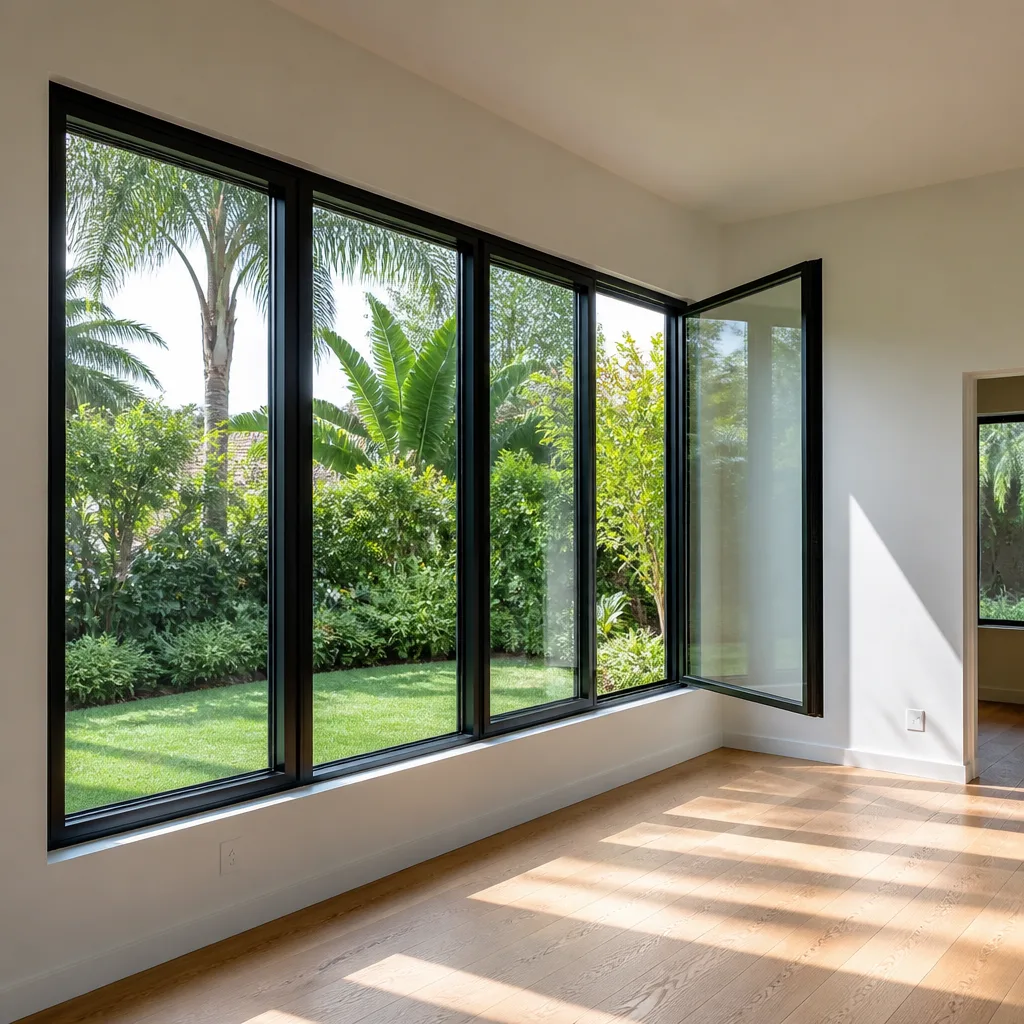
Seasonal window and door care in South Miami Heights follows four distinct phases - pre-storm preparation from March through May, in-season monitoring from June through October, post-season damage assessment in November, and maintenance work during the December-February dry window - as outlined in our Window Installation Maintenance Checklist for South Miami Heights Homeowners. Homeowners can legally perform basic inspections, cleaning, and hardware lubrication; sealant replacement, impact-rated hardware installation, and any structural repair require a licensed contractor under Miami-Dade County code.
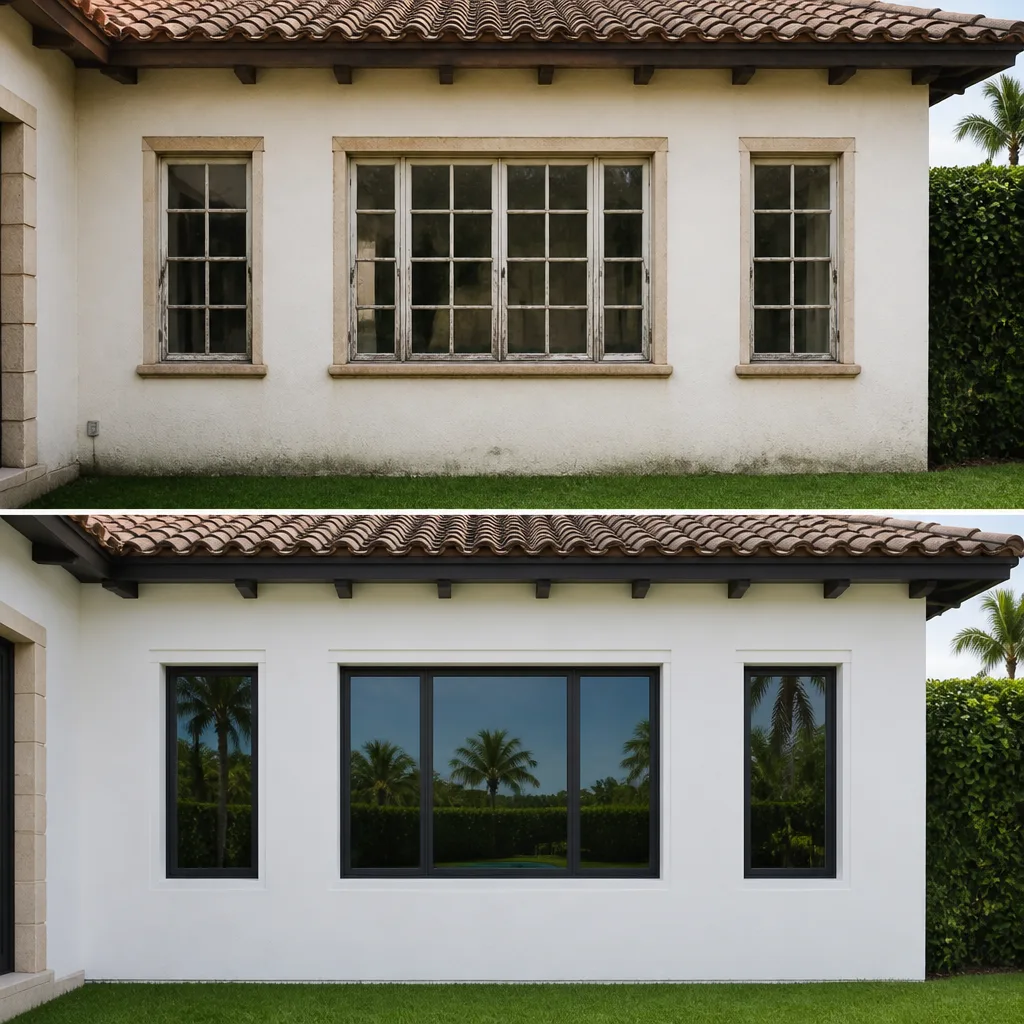
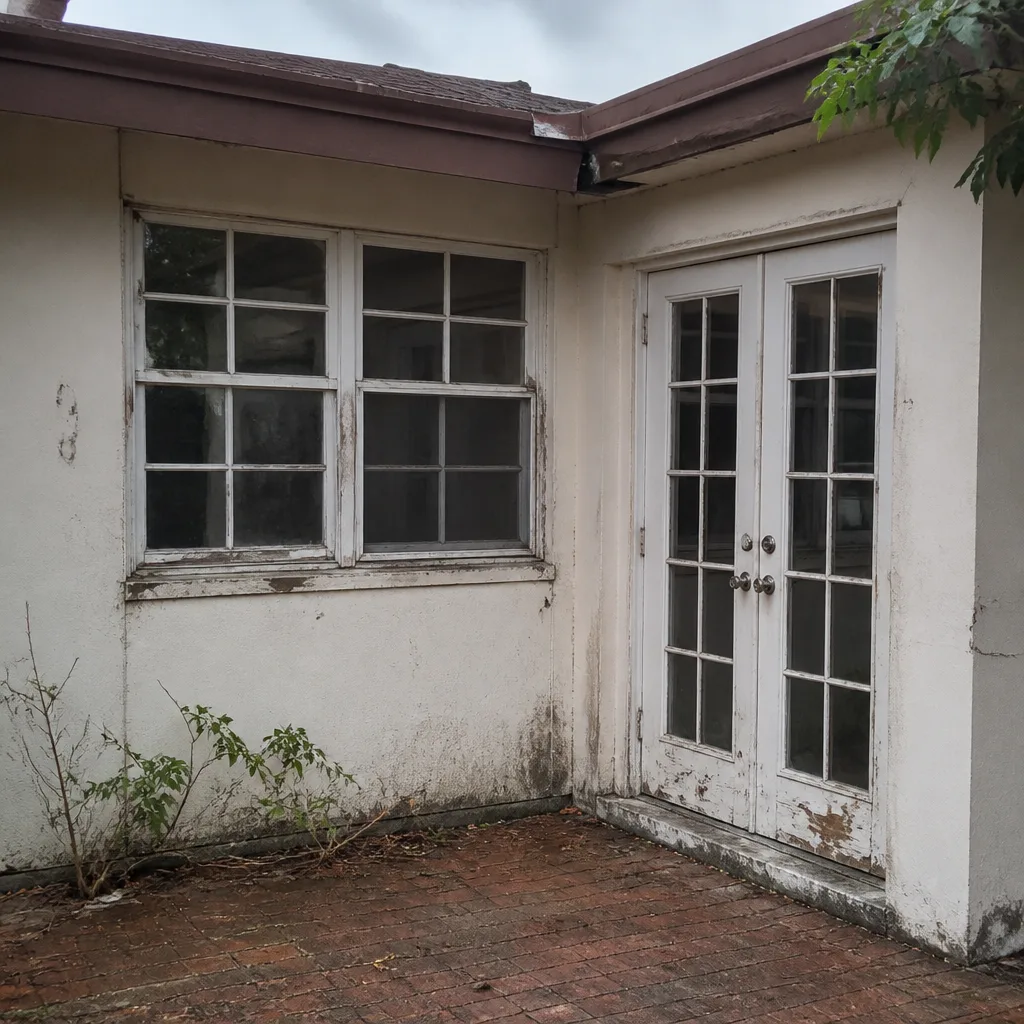 Before
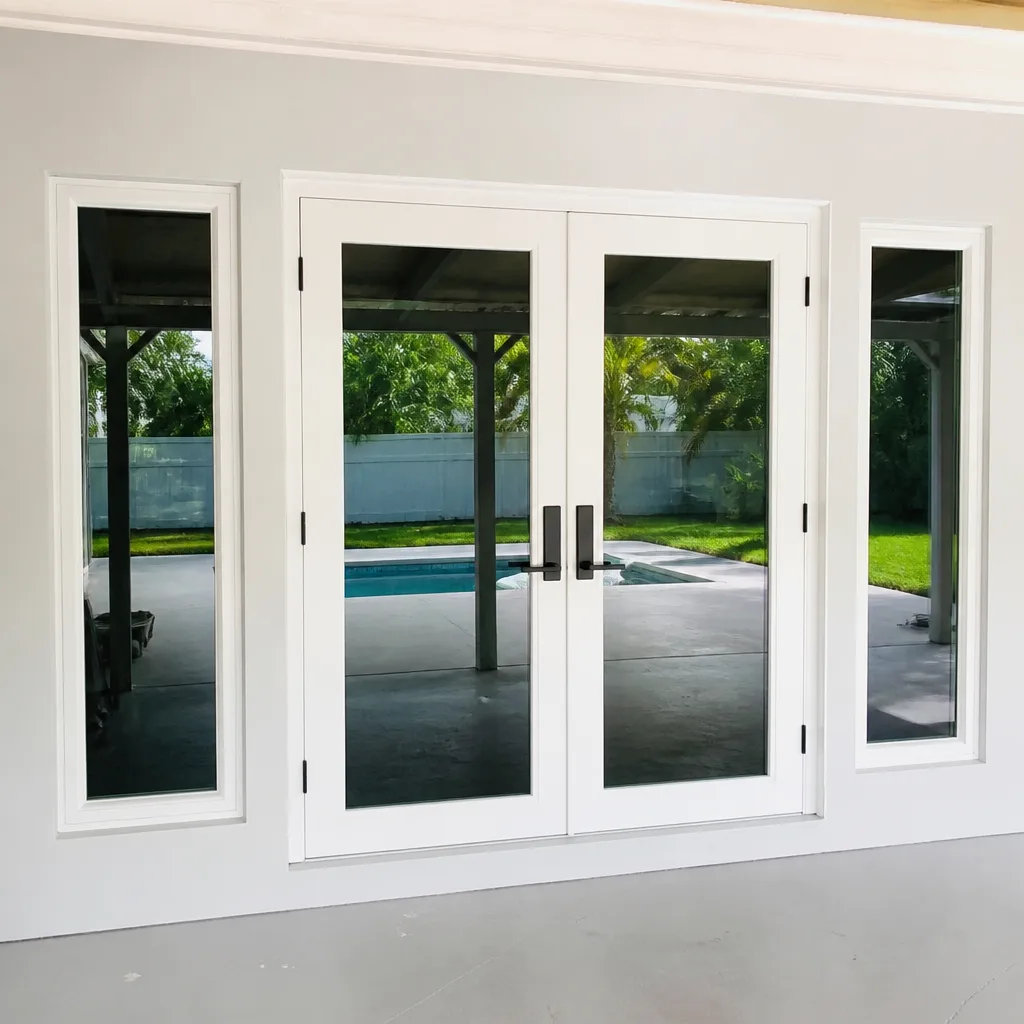 After
AfterTable of Contents
- Why Generic Seasonal Guides Fail in South Miami Heights
- Phase 1 (March-May): Pre-Storm Preparation
- Phase 2 (June-October): In-Season Protocol
- Phase 3 (November): Post-Season Damage Audit
- Phase 4 (December-February): The Maintenance Window
- What Homeowners Can Do vs. What Requires a Licensed Contractor
- Documentation for Insurance: The Photo Record Standard
- Product Selection by Climate Phase
- Common Mistakes to Avoid
- When to Call a Professional
- Frequently Asked Questions
- The Bottom Line
Why Generic Seasonal Guides Fail in South Miami Heights
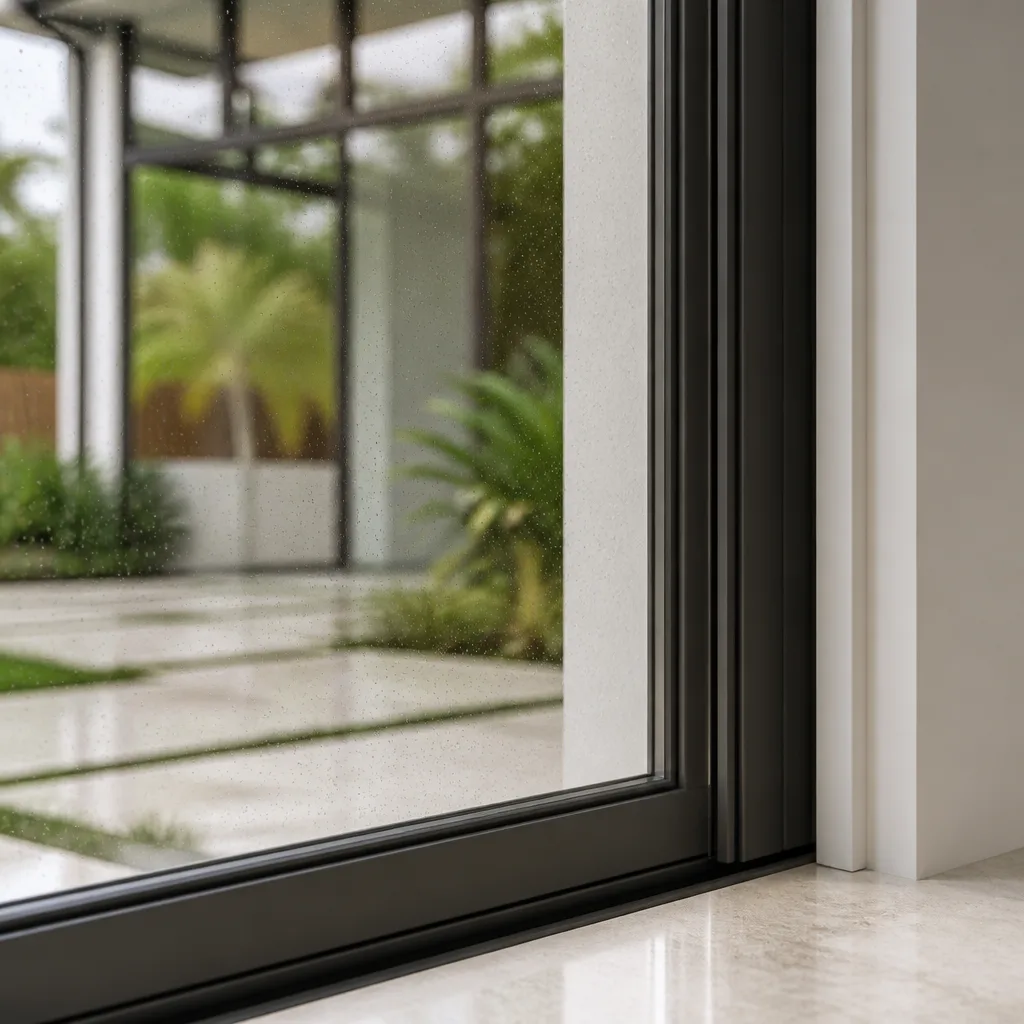
Maintenance calendars built on spring, summer, fall, and winter assume a temperate climate with freeze-thaw cycles and moderate humidity variation. South Miami Heights experiences none of these. Our annual pattern is driven by the Atlantic hurricane season and the subtropical dry season, which creates a mechanical reality for windows and doors that generic advice ignores.
Here’s what actually happens to framing materials here. During the dry season, typically December through April, wood and composite frames contract. Vinyl expands and contracts with temperature swings but reaches its tightest fit in the coolest months. Aluminum, common in older South Miami Heights homes and still specified for certain commercial applications, expands in summer heat and can stress sealant bonds. The critical insight: sealant applied to expanded summer frames will gap when those frames contract; sealant applied to contracted winter frames will compress and extrude when expansion returns.
We’ve measured this. On a January survey in the South Miami Heights area, a typical vinyl frame in full sun read 68°F surface temperature. By July, that same frame orientation measured 142°F. The linear expansion across a 72-inch sliding door frame exceeds 3/16 inch - enough to shear an improperly timed sealant bead.
Humidity compounds the issue. Relative humidity in South Miami Heights drops to 55-65% in January and climbs to 85-95% by August. Wood frames absorb moisture and swell; the glazing tape compresses. Dry-season maintenance that doesn’t account for this cycle, or that applies products rated for temperate climates, fails predictably.
The four-phase calendar below replaces generic seasons with the actual operating conditions your windows and doors experience.
Phase 1 (March-May): Pre-Storm Preparation
This is the inspection and documentation phase. The goal is to identify vulnerabilities before June 1, when named storm activity becomes probable and contractor availability contracts.
What to Inspect
- Impact-rated openings: Check for cracks in laminated glass, delamination around the edges, and frame distortion. Miami-Dade County requires impact-rated products on all new and replacement installations; if your home was built before 1994, some openings may not meet current HVHZ (High Velocity Hurricane Zone) standards. Look for the Miami-Dade NOA (Notice of Acceptance) label on the frame or sash.
- Weatherstripping integrity: Compress each seal and release. It should rebound to original thickness within 3 seconds. Permanent compression set means air and water infiltration during wind-driven rain events.
- Drainage paths: Weep holes in vinyl and aluminum frames must be clear. In South Miami Heights, pollen season peaks in April; combined with mineral deposits from evaporated rainwater, weep holes clog with a cement-like residue. A 16-gauge wire or dedicated weep-hole tool clears them without enlarging the opening.
- Fastener torque: Hinges, locks, and multi-point hardware work loose under cyclic wind loading. A calibrated torque screwdriver set to manufacturer specification - typically 25-35 in-lb for residential hardware - prevents both loosening and over-tightening that strips threads.
- Sealant condition: Probe exterior sealant beads with a plastic spatula. Adhesion failure shows as a white, powdery residue at the bond line or visible separation. Note locations; do not repair yet. Sealant applied now will not cure properly before humidity rises.
What to Document
Photograph every opening from the interior and exterior, including close-ups of labels, hardware, and any observed damage. Store these with date stamps. This baseline becomes your pre-storm condition record. At Sightline Windows & Doors South Miami Heights home, we provide this documentation as standard on every survey - the photo record is Haven Clause 4 (Evidence on Every Job).
What to Tighten and Adjust
- Multi-point lock engagement: all contact points should engage with equal pressure; adjust striker plates if one point bears before others
- Sash balance tension on single-hung and double-hung units: window should stay open at any position without drift
- Track clearance on sliding doors: 1/8 inch minimum vertical play prevents binding in summer expansion
- Threshold sweep contact: continuous light contact without drag; adjust or replace worn sweeps
Do not apply new sealant during this phase unless emergency patching is required. The humidity rise in late May will retard cure and reduce adhesion.
Phase 2 (June-October): In-Season Protocol

Once the National Hurricane Center begins issuing tropical weather outlooks, the maintenance rule changes: address only what prevents immediate water intrusion or security failure. Major repairs and replacements become difficult to schedule and, for impact-rated products, may not pass inspection if installed during active weather watches.
What Can Be Safely Addressed
- Emergency board-up of failed openings using plywood or storm panels - this is temporary protection, not repair
- Clearing debris from weep holes and tracks after each storm event
- Re-engaging hardware that has worked loose; do not re-torque to spec, just secure
- Applying temporary silicone tape to active leaks as a water management measure until dry-season permanent repair
What Cannot Be Safely Addressed
Sealant replacement requires 24-48 hours of dry conditions for proper cure. In South Miami Heights, June through October typically delivers 15-20 days per month with measurable precipitation. Curing sealant exposed to rain within 4 hours of application will wash out or skin over with trapped moisture, guaranteeing premature failure.
Glass replacement in impact-rated units requires controlled environment handling of laminated or insulated glass. High humidity increases condensation risk during installation and can fog sealed units. We schedule these for the maintenance window.
Structural frame repair - rot in wood units, corrosion in aluminum, or reinforcement of anchorage - requires dry substrate for adhesive and sealant bonding. Wet-season attempts have high callback rates.
The Monitoring Routine
After each named storm or sustained wind event above 35 mph, inspect for:
- Visible glass damage, including edge chips that may propagate under cyclic loading
- Frame movement relative to wall: new gaps at interior trim indicate anchor or structural movement
- Water staining at interior sill or head: active leaks often appear 24-72 hours after wind-driven rain
- Hardware function: salt spray from storm surge or wind-driven seawater accelerates corrosion; rinse with fresh water and dry
Document everything with dated photographs. This is your running storm-season log.
Phase 3 (November): Post-Season Damage Audit
November is the assessment and insurance-documentation month. Hurricane season officially ends November 30, but by mid-month the tropical threat has typically passed and contractors regain availability. The goal is to compile damage findings into an actionable repair scope before the December holiday scheduling crunch.
The Audit Checklist
- Compare to baseline: Pull your March-May pre-storm photographs. Any change is damage, even if function appears normal. Micro-cracks in glazing, sealant displacement, and hardware wear progression are all documentable.
- Test every opening: Open, close, lock, and unlock each window and door. Note binding, noise, or resistance changes. These indicate frame distortion, track wear, or hardware fatigue.
- Moisture detection: In South Miami Heights, the limestone substrate and flat-roof construction common in mid-century homes can funnel water to window and door rough openings. Check interior drywall at head and sill with a moisture meter; readings above 16% indicate active or recent water intrusion.
- Impact-rated label verification: Ensure Miami-Dade NOA labels are legible. Faded or missing labels complicate insurance claims and resale inspections.
- Compile the photo record: Organize dated photographs chronologically: pre-storm baseline, storm-event damage, post-storm condition. This sequence is what adjusters and contractors need.
Insurance Documentation Before Repair
Do not begin permanent repairs until your carrier has documented the damage or given written authorization to proceed. Temporary measures are expected; permanent replacement without adjuster review risks claim denial. The photo record, moisture meter readings, and written scope from a licensed contractor support your position.
At Window Replacement in South Miami Heights, we provide written scopes with line-item pricing for insurance submission. The scope and the final invoice are the same document - Haven Clause 1 (Have It in Writing) and Haven Clause 5 (No Surprises).
Phase 4 (December-February): The Maintenance Window
This is the only phase for proactive, non-urgent work. Humidity drops, rainfall diminishes, and framing materials contract to their minimum dimension. Sealant applied now will experience only expansion, never contraction, through its first year - the ideal stress profile.
Sealant Replacement
Remove failed sealant with a hook blade or dedicated removal tool. Clean the joint to bare substrate with isopropyl alcohol or manufacturer-specified primer. Apply backer rod to control depth-to-width ratio - typically 2:1 width to depth for polyurethane sealants, per manufacturer data. Tool the bead with a concave profile to promote adhesion at the bond lines.
Product selection matters in South Miami Heights. We specify sealants rated for 50% joint movement, UV-stable, and tested for adhesion to the specific substrate - vinyl, aluminum, or painted wood. Generic “exterior” sealants fail here within 18 months.
Hardware Lubrication and Adjustment
- Multi-point locks: dry PTFE lubricant, not oil-based products that attract grit
- Hinges and pivots: light machine oil, wiped excess
- Tracks and rollers: silicone spray on clean surfaces
- Re-torque all fasteners to specification after lubrication
Drainage Path Clearing
Remove sashes where design permits and clean tracks of accumulated debris. In South Miami Heights, the combination of pollen, mineral deposits, and organic matter from dense landscaping creates a sludge that hardens in place. A plastic scraper and stiff brush restore drainage without damaging finishes.
Glazing Inspection
Check for failed insulated glass units by viewing reflected light at an angle. A “fog” between lites indicates seal failure; the unit has lost its argon fill and its thermal performance. Replace during this window, not during cooling-season demand when lead times extend.
Frame Cleaning and Protection
Wash frames with mild detergent and soft cloth. Avoid pressure washers on impact-rated glazing; the water jet can damage edge seals. Apply manufacturer-recommended protectant to vinyl and painted surfaces. For anodized aluminum, no additional protection is needed; for painted aluminum, touch up chips to prevent galvanic corrosion.
What Homeowners Can Do vs. What Requires a Licensed Contractor
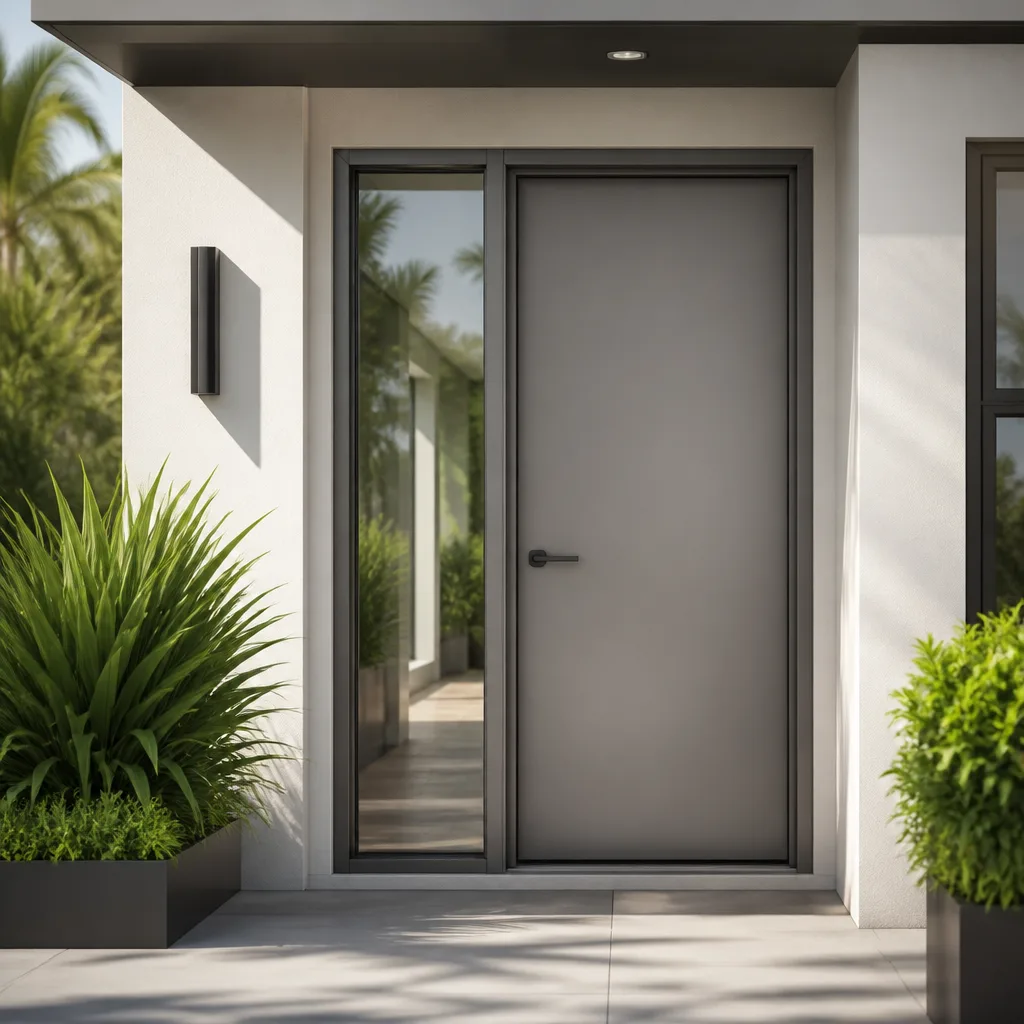
Miami-Dade County building code and Florida statute draw a clear line. Understanding it prevents code violations, insurance disputes, and safety hazards.
Homeowner-Permissible Work
- Cleaning, lubrication, and adjustment of existing hardware
- Weep hole and track clearing
- Interior and exterior cleaning of glazing and frames
- Temporary weatherization with removable materials
- Documentation and inspection (no physical alteration)
Licensed Contractor Required
- Replacement of impact-rated windows or doors: Miami-Dade HVHZ requirements mandate product approval, installation per NOA, and inspection by the building department
- Sealant replacement at structural interfaces: any sealant serving as the water-resistive barrier between frame and wall assembly
- Structural repair of frames, sills, or rough openings
- Installation of new or replacement hardware on impact-rated units: hardware must be tested as part of the assembly; non-approved substitutions void the rating
- Glass replacement in impact-rated units: the laminated glass, interlayer, and edge treatment are a tested system
The penalty for unlicensed work extends beyond code enforcement. Insurance carriers may deny claims for damage related to unpermitted modifications, and resale disclosures require permit verification for window and door replacements after 1994.
Documentation for Insurance: The Photo Record Standard
We’ve referenced documentation throughout this guide because it is the difference between a covered claim and a disputed one. Here’s the standard we apply on every Window Installation in South Miami Heights job, which homeowners can replicate for their own maintenance records.
Every opening gets four photographs minimum: exterior wide, exterior detail, interior wide, interior detail. Detail shots capture labels, hardware, and any anomalies. Date and time stamp automatically. Store in cloud backup with local redundancy.
For storm damage claims, add: moisture meter readings with scale visible, close-ups of water staining with ruler for scale, and written narrative of observed sequence (when the leak first appeared, duration of exposure, temporary measures taken).
The 365-Day Done Right Promise on our work means if documentation reveals an installation issue, we make it right. The same principle applies to your maintenance: good records make disputes short.
Product Selection by Climate Phase
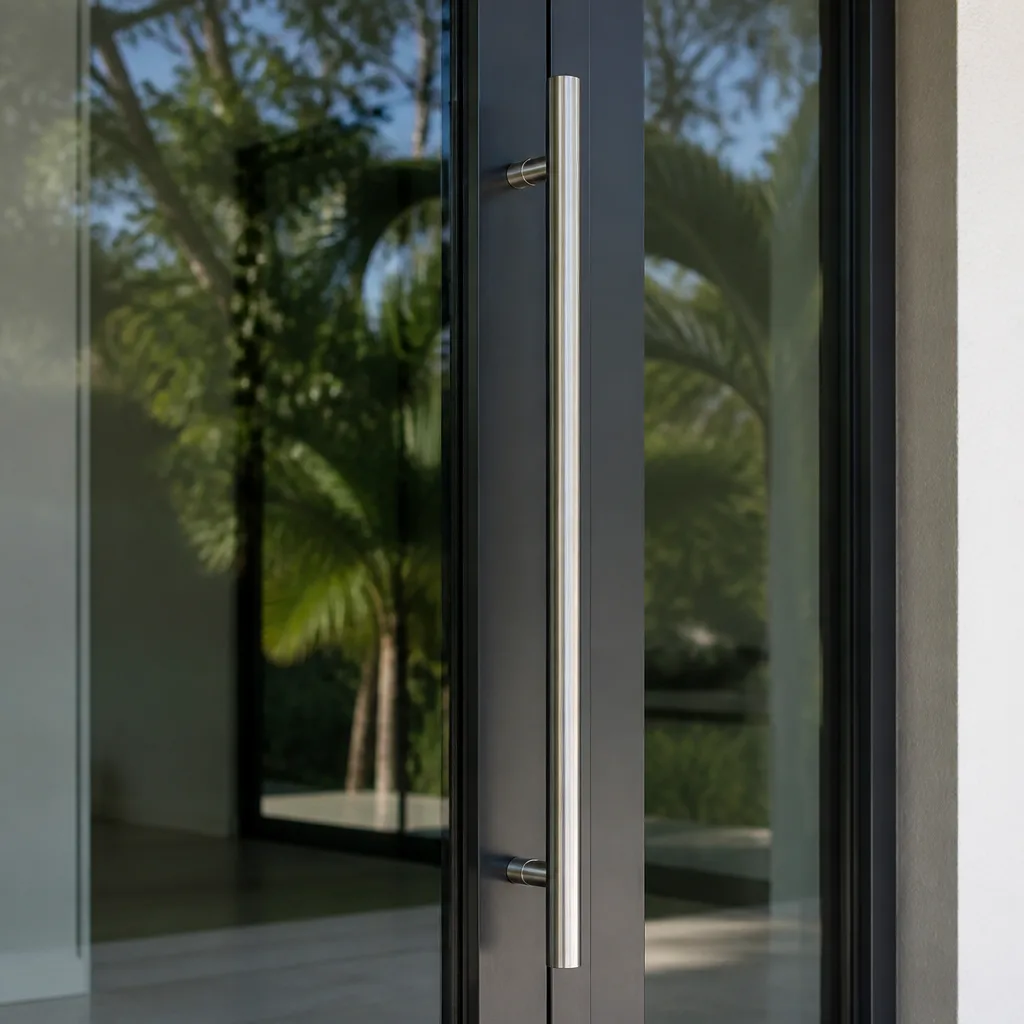
When replacement becomes necessary, product specification should match the phase in which it will perform. We draw from eight manufacturer lines - PGT, CGI, CWS, ES Windows, ECO Window Systems, Mr-Glass, Therma-Tru, and ViewLux - specified by what the opening requires, not by what is in stock.
Pre-Storm and In-Season Priorities: Impact Performance
For openings facing sustained wind pressure and missile impact, we specify products with Miami-Dade NOA for the specific exposure. CWS and ES Windows both offer HVHZ-rated vinyl lines with documented pressure cycling to +70/-70 psf. The interlayer in impact-rated laminated glass - typically SentryGlas or comparable ionoplast - maintains post-breakage integrity even after impact.
Mr-Glass specializes in oversized impact-rated units for the custom openings common in South Miami Heights ranch and mid-century modern homes. Standard stock sizes often don’t fit the 96-inch by 72-inch living room openings we measure regularly in the area.
Maintenance Window Priorities: Thermal Performance
During replacement in the dry season, we can measure actual frame conditions and specify for year-round performance. ECO Window Systems offers low-U-factor, low-SHGC packages that reduce cooling load without the winter heat gain penalty irrelevant to South Miami Heights. The specification target: U-factor below 0.30 and SHGC below 0.25 for west and south exposures.
Every specification is documented in the measured survey the customer keeps. The written quote cannot differ from that document - Haven Clause 1.
Common Mistakes to Avoid
- Applying sealant in May or June: The humidity rise before summer storms prevents proper cure. We’ve removed failed sealant applied in late spring that separated cleanly from the substrate - the bond never formed. Wait for December through February.
- Pressure-washing impact-rated glazing: The water jet forces moisture past edge seals and damages the interlayer bond. Hand-wash only, or hire a service that understands laminated glass.
- Ignoring weep holes until water appears inside: By the time interior staining is visible, the rough opening has been wet for weeks or months. In South Miami Heights’ limestone substrate, this means efflorescence and potential frame corrosion. Check weep holes quarterly.
- Replacing impact-rated hardware with generic equivalents: The Miami-Dade NOA covers the entire assembly - glass, frame, and hardware. A non-approved lock or hinge voids the rating and may fail under design load. We’ve inspected homes where a homeowner-installed “upgraded” lock was the failure point in a minor storm.
- Documenting only visible damage after storms: Micro-cracks in laminated glass, frame racking, and fastener fatigue are not always visible. Operate every opening and compare to baseline function. Binding that wasn’t there before is damage.
- Scheduling major work during hurricane season: Contractor availability compresses, material deliveries delay, and inspections back up. The December-February window offers predictable scheduling and proper cure conditions.
- Assuming all windows in a home are the same age or specification: South Miami Heights homes often have multiple replacement generations. Check every opening individually for NOA labels and condition. We’ve found three different specification eras in a single 2,200 square foot home.
When to Call a Professional
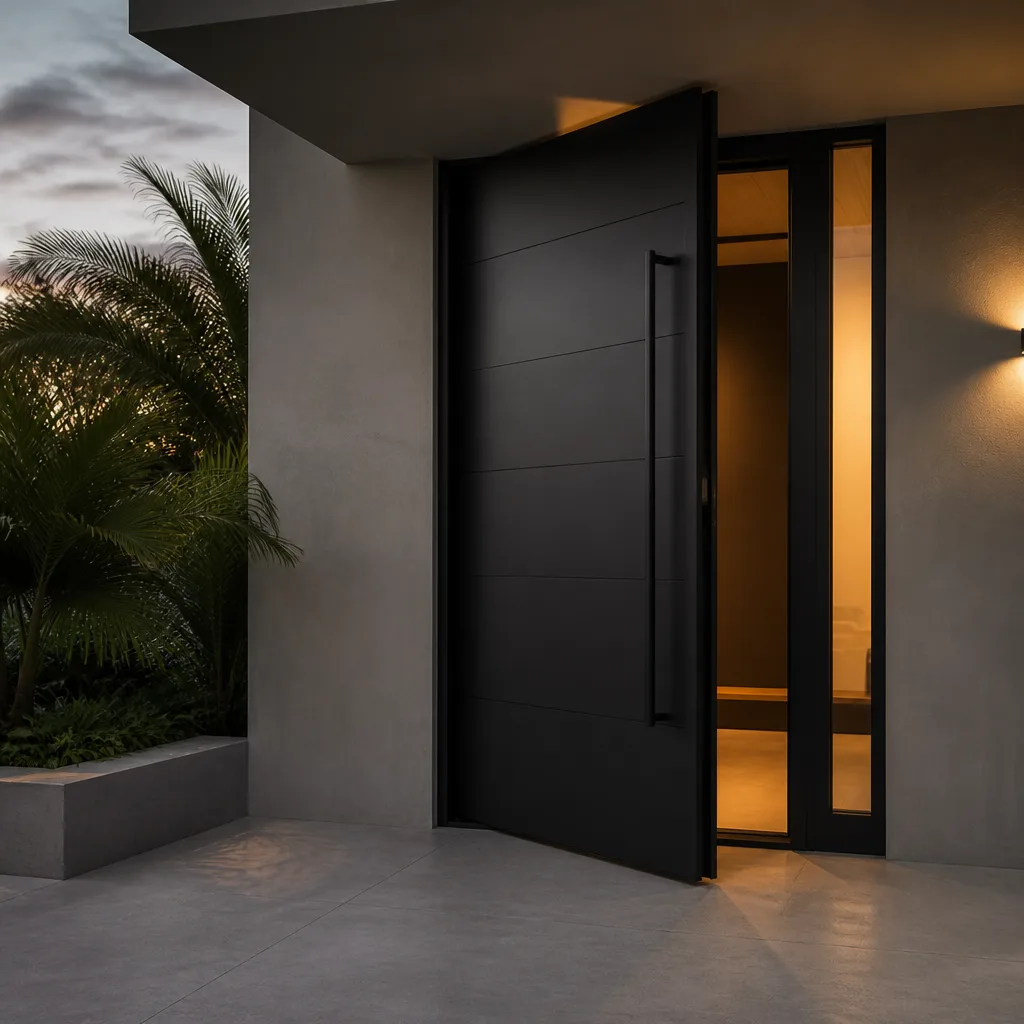
Call a licensed window and door contractor when you observe structural movement, active water intrusion you cannot source, damage to impact-rated assemblies, or any work requiring permit and inspection. In South Miami Heights, the Miami-Dade building department enforces HVHZ requirements strictly; unpermitted work complicates insurance, resale, and safety.
Sightline Windows & Doors South Miami Heights offers free estimates in South Miami Heights - call (786) 481-0414 - and more guides & resources on our blog. Every estimate includes a measured survey you keep, a written scope with line-item pricing, and a documented photo record. We also provide free second opinions on any written estimate from another contractor. Our technicians are background-checked, uniformed, and identified by license number before arrival, per Haven Clause 3 (Verified Crews).
Frequently Asked Questions
Basic seasonal maintenance - inspection, cleaning, hardware adjustment, and weep-hole clearing - typically runs $150-$350 for a single-family home when performed by a licensed contractor. Sealant replacement adds $8-$15 per linear foot of joint, depending on substrate condition and access. Full inspection with written documentation and photo record, comparable to what we provide with every Door Installation in South Miami Heights, ranges $250-$450. Call (786) 481-0414 for an exact quote - estimates are free.
Homeowners can legally replace non-impact-rated windows in single-family homes they occupy, but Miami-Dade HVHZ requirements make this impractical for most openings. Impact-rated replacement requires product with Miami-Dade NOA, installation per the approved assembly, and inspection by the building department. The failure risk - both physical and regulatory - exceeds the savings for most homeowners. We provide the measured survey, written scope, and permit handling as standard.
No. Haven Clause 1 and Haven Clause 5 mean the written quote and the final invoice are the same document. The only price change occurs if the customer adds scope. Hidden damage discovered during work is documented with photographs and discussed before proceeding; we do not proceed with unapproved additional charges.
Typical single-opening replacement: 4-6 hours on site, with permit and inspection adding 3-5 business days to the total timeline. Full-home replacement of 15-20 openings: 2-3 weeks including inspections. Schedule during the December-February maintenance window for predictable progress; hurricane season scheduling extends due to weather delays and inspection backlogs.
Yes. Every impact-rated installation and structural replacement includes permit application, scheduling, and inspection attendance. The permit record is part of the documentation package you receive. This is standard, not an add-on.
Check for visible damage to glass, frame, or hardware; operate each opening and note any binding or resistance change; verify the Miami-Dade NOA label is legible. If any of these are compromised, have a licensed contractor assess. Micro-damage to laminated glass is not always visible but can be detected with polarized light inspection. We include this assessment in post-storm surveys.
The Bottom Line
South Miami Heights windows and doors face a climate with four real phases, not four temperate seasons. Sealant applied at the wrong time fails. Impact-rated assemblies degraded by deferred maintenance fail under loads they should survive. Insurance claims without documentation fail. The maintenance calendar that works here is: inspect and document before June, monitor and protect through November, assess and claim in November, repair and replace from December through February. Every task has a right time, and some tasks require a licensed contractor under code. The written price before work starts, the documented photo record, and the 365-Day Done Right Promise are the standards we apply - because the measurement and the quote should be the same document, and the job should match both.
Written by Sonia Raman, Owner at Sightline Windows & Doors South Miami Heights, serving South Miami Heights since 2012.
Six Reasons Homeowners Choose Sightline Windows & Doors South Miami Heights
Impact systems engineered to design pressures up to +/-100, matched to your wind zone - your openings hold when the storm arrives.
Low-E insulated impact glass from our manufacturer lines commonly cuts monthly cooling bills 20-30%.
Laminated impact glass shuts out up to 40% of outside noise - traffic, neighbors, weather.
Monitoring services run $30-90 a month. Laminated impact glass resists forced entry around the clock, with no subscription.
Florida homeowners average around 25% savings on the windstorm portion of their policy after protecting every opening - some homes qualify for more.
A full impact package upgrades curb appeal, buyer confidence and appraised value in one project.
Other Sightline Windows & Doors South Miami Heights Services