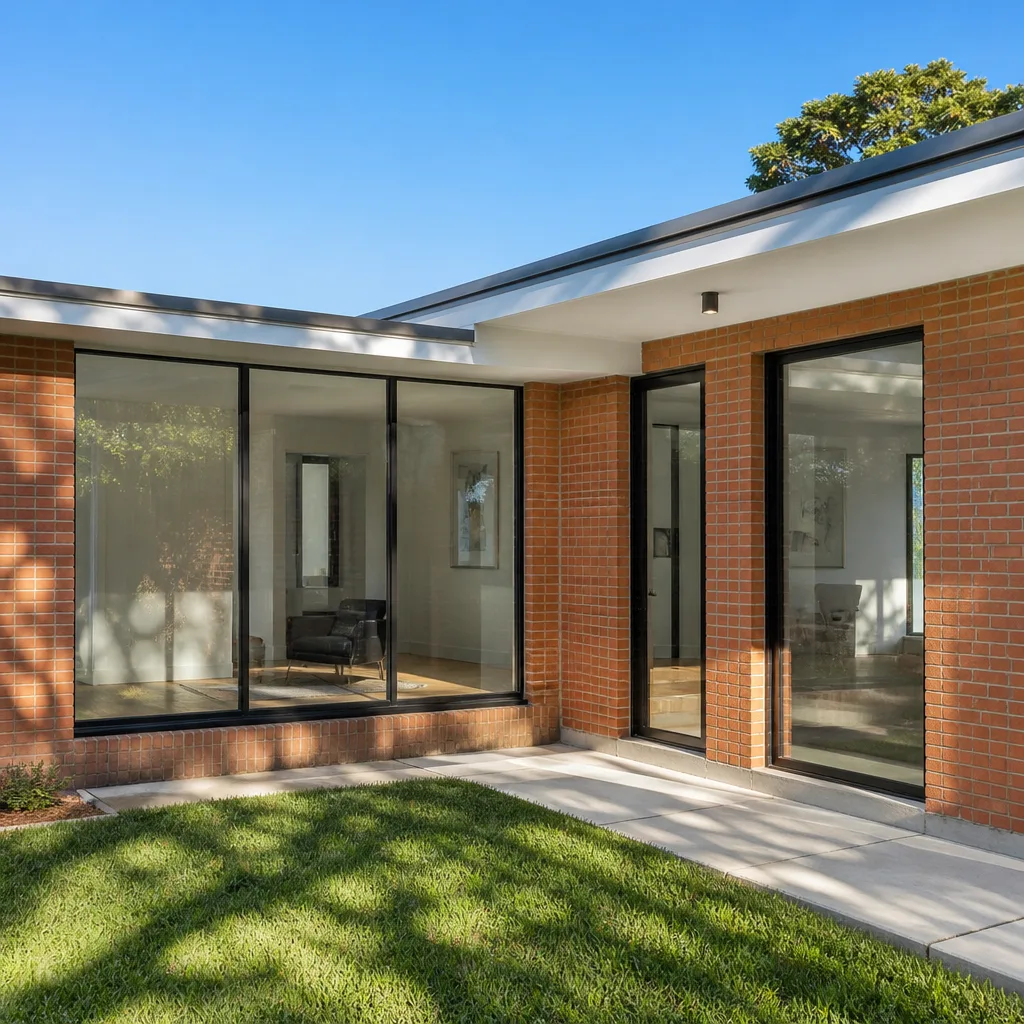
Last updated September 24, 2026
New windows and doors improve comfort, cut energy bills and add long-term value to your home. Sightline Windows & Doors South Miami Heights pairs proven product lines with our own installing crews for lasting performance - and a price we put in writing.
1. Choose your installer
The unit is half the job - the install is the other half. Our own background-checked crews measure, set, seal and insulate every opening, and they know the lines we quote inside and out because they install them every week.
2. Select the right products
Compare styles, materials and glass packages side by side until the fit is right for your rooms, your budget and your goals. The product-line comparison below is the place to start.
3. Prepare your home for install
Before install day we walk you through a short checklist - furniture pulled back, treatments down, a clear path to each opening - so install day is watch-it-happen, not scramble.
Compare the Lines We Quote
Every project is priced on the same lines, side by side - the price indicators below are relative, and your consultant shows exact numbers on your actual openings.
PGTThe line Florida homeowners arrive naming - the most Miami-Dade certifications in the industry$$$
- More Miami-Dade NOA certifications than any other line we quote
- WinGuard, EnergyVue and ClassicVue Max systems built for every wind zone
- 99% on-time delivery keeps your install date on the calendar
CGIThe heavyweight impact line$$$$$
- Large-missile impact ratings for the strictest wind zones
- Architectural-grade aluminum with commercial-depth frames
- The line we quote when protection is the whole point
CWSThe Florida value pick$$
- Vinyl systems built in Florida for Florida codes
- Strong energy packages at the friendliest price point
- The smart start for whole-home replacements on a budget
ESWSlim lines, big glass$$$$
- Narrow-sightline aluminum for modern elevations
- Oversized openings and floor-to-ceiling glass
- Impact-rated without the bunker look
ECOThe aluminum impact workhorse$$$
- Miami-built aluminum impact systems
- A strong price-to-protection ratio for coastal homes
- Proven inventory lines with short lead times
Window Installation Maintenance Checklist for South Miami Heights Homeowners
A window installed correctly in South Miami Heights in June will sit through 60+ inches of annual rainfall before its first dry season. The sill pan drainage path, not the glass, is the first thing to inspect - yet it appears on almost no residential maintenance checklist. Most guides are written for temperate climates with four mild seasons. South Miami Heights has two: wet May through October, and dry November through April. That wet-dry cycle creates three specific failure points - sill pan drainage blockage, aluminum fastener corrosion, and glazing compound shrinkage - that account for the majority of premature window failures we document in the field. This guide maps every maintenance task to that cycle, with procedures you can perform without specialized tools and clear thresholds for when professional intervention is necessary.
Quick Answer
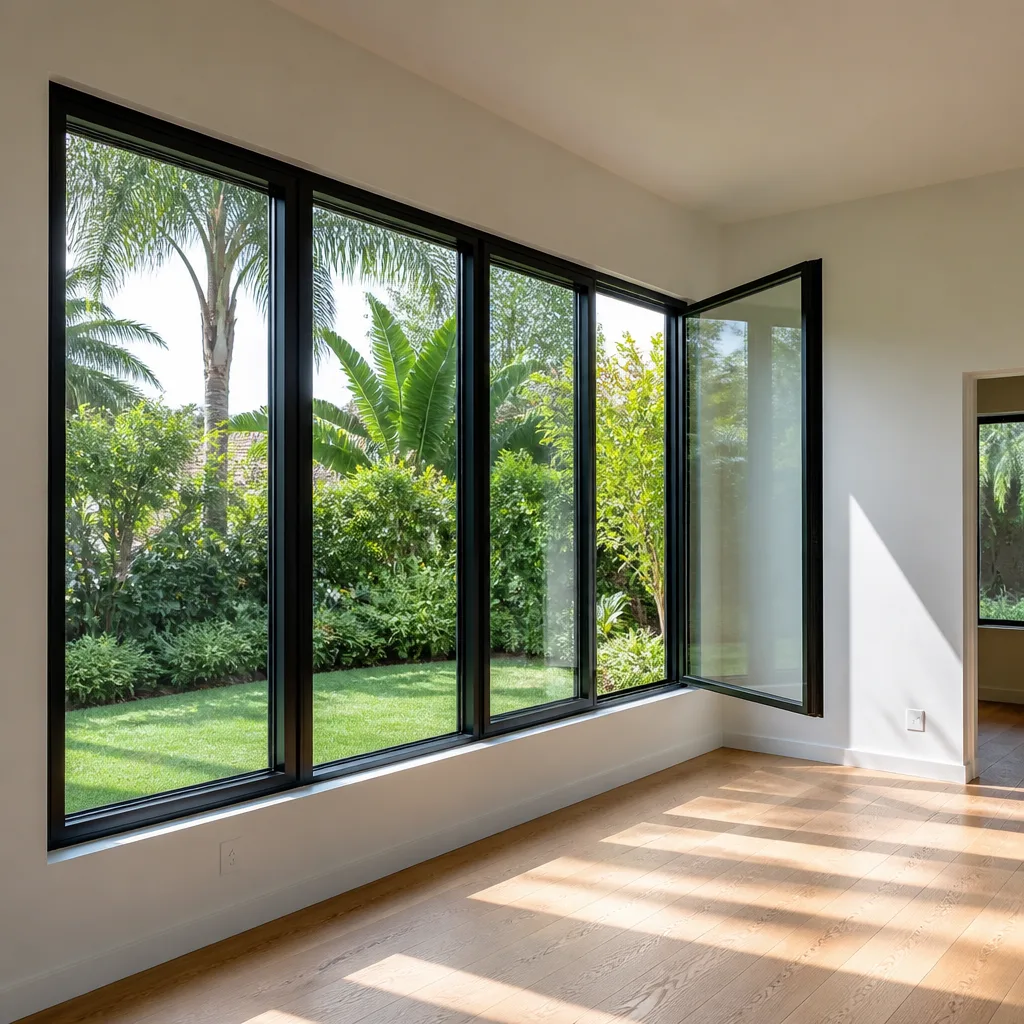
South Miami Heights homeowners should inspect windows quarterly: test sill pan drainage with a slow-pour water test during the wet season, check aluminum fasteners for white corrosion bloom before each dry season, and examine glazing compound for shrinkage cracks that open water paths. Document each inspection with dated photos, especially after named storms, to support insurance claims and track degradation over time.
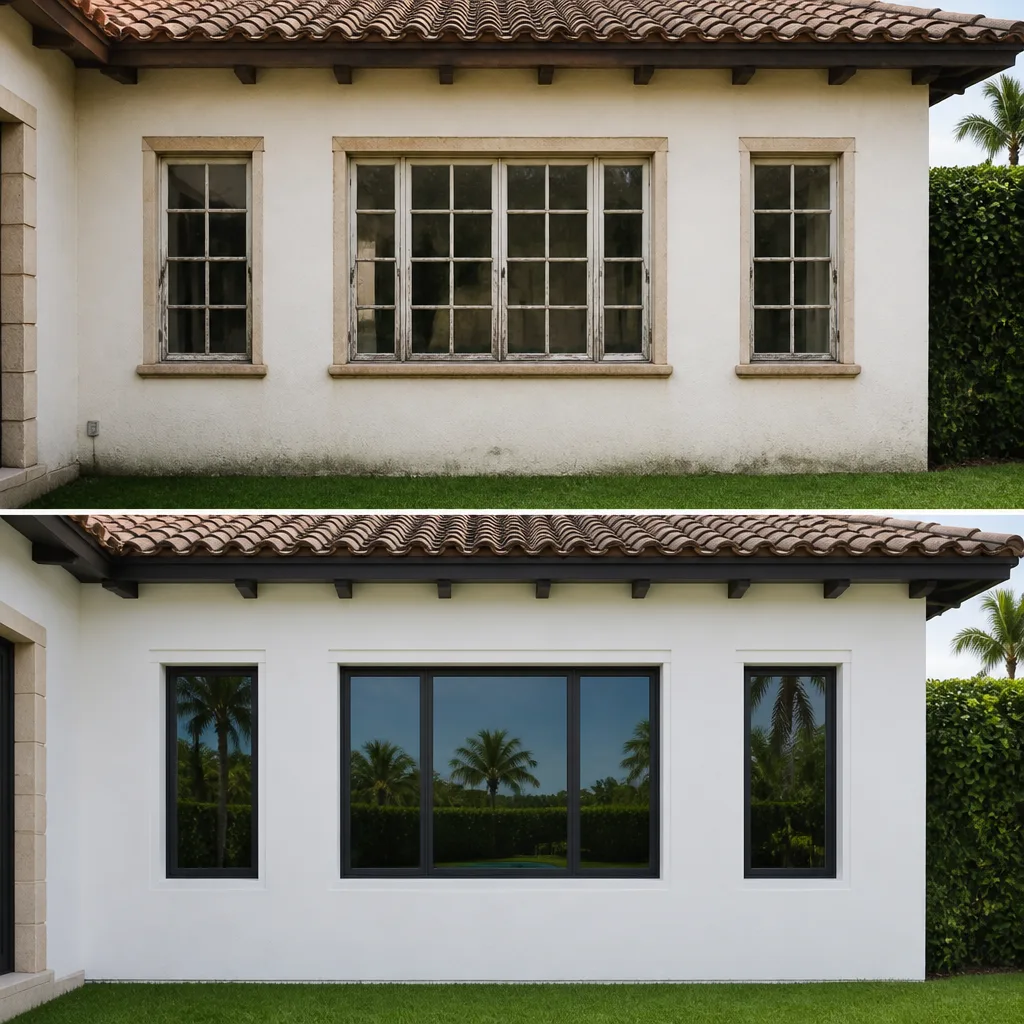
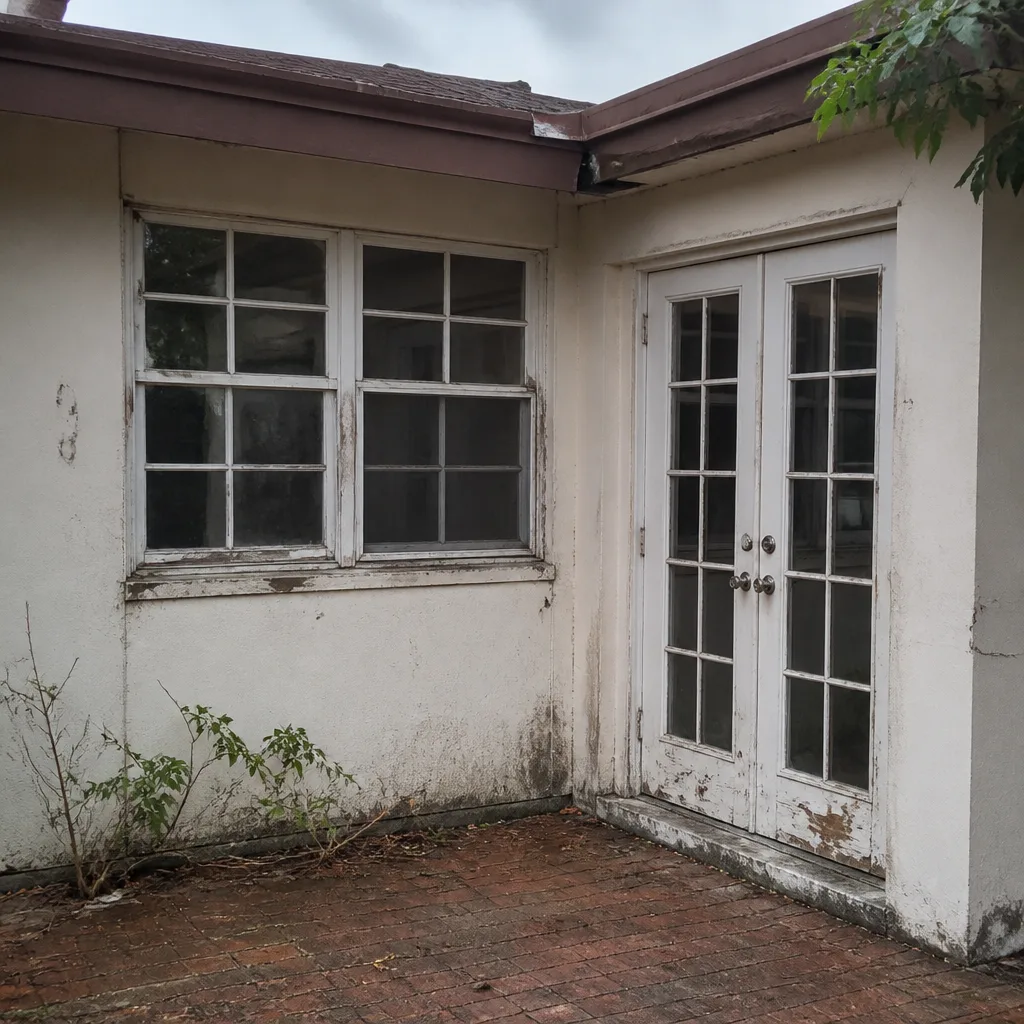 Before
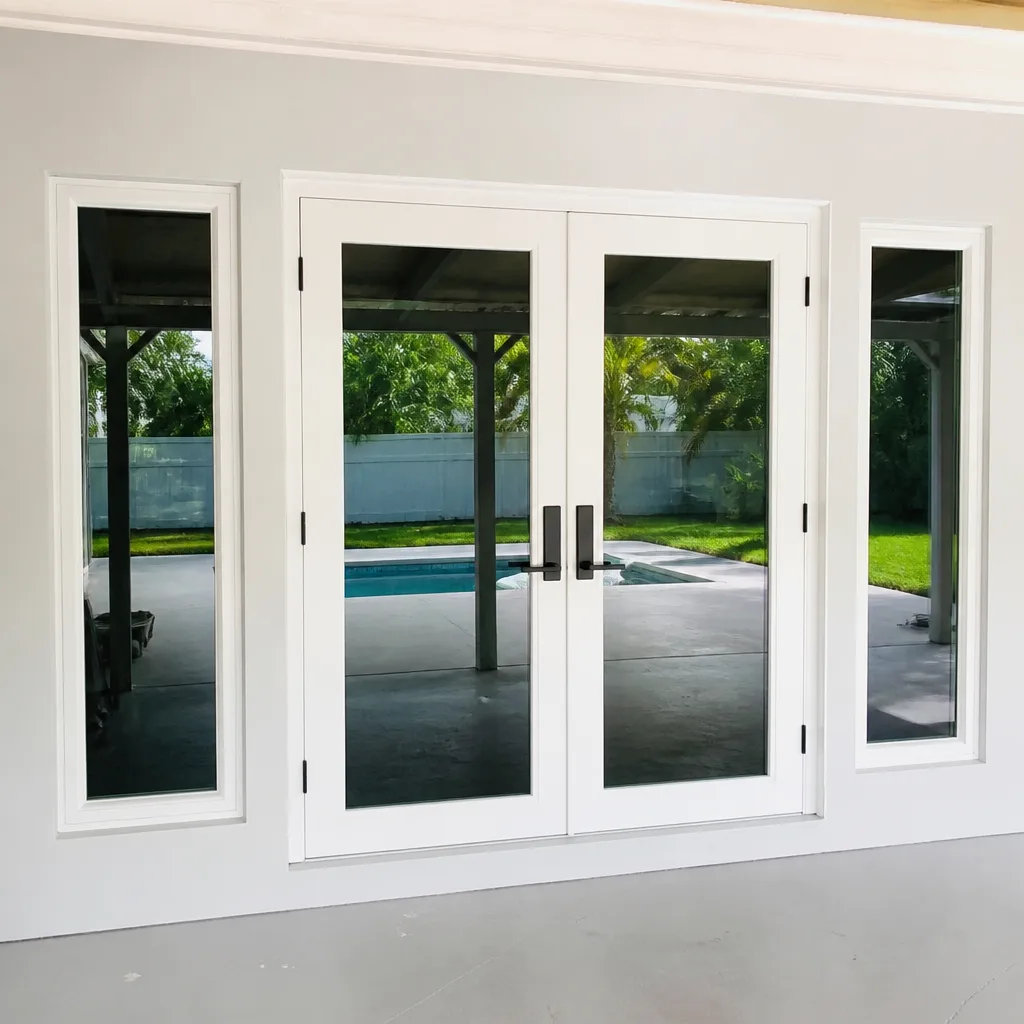 After
AfterTable of Contents
- Why the South Miami Heights Climate Destroys Windows Differently
- The Three Failure Points: Sill Pans, Fasteners, and Glazing Compound
- Month-by-Month Maintenance Calendar for South Miami Heights
- How to Test Sill Pan Drainage Without Removing Anything
- Aluminum Fastener Corrosion: Stages and Response Thresholds
- Glazing Compound vs. Silicone Sealant Inspection
- Post-Hurricane Inspection Protocol and Photo Documentation
- Tools and Supplies for Annual Window Maintenance
- Common Mistakes to Avoid
- When to Call a Professional
- Frequently Asked Questions
- The Bottom Line
Why the South Miami Heights Climate Destroys Windows Differently
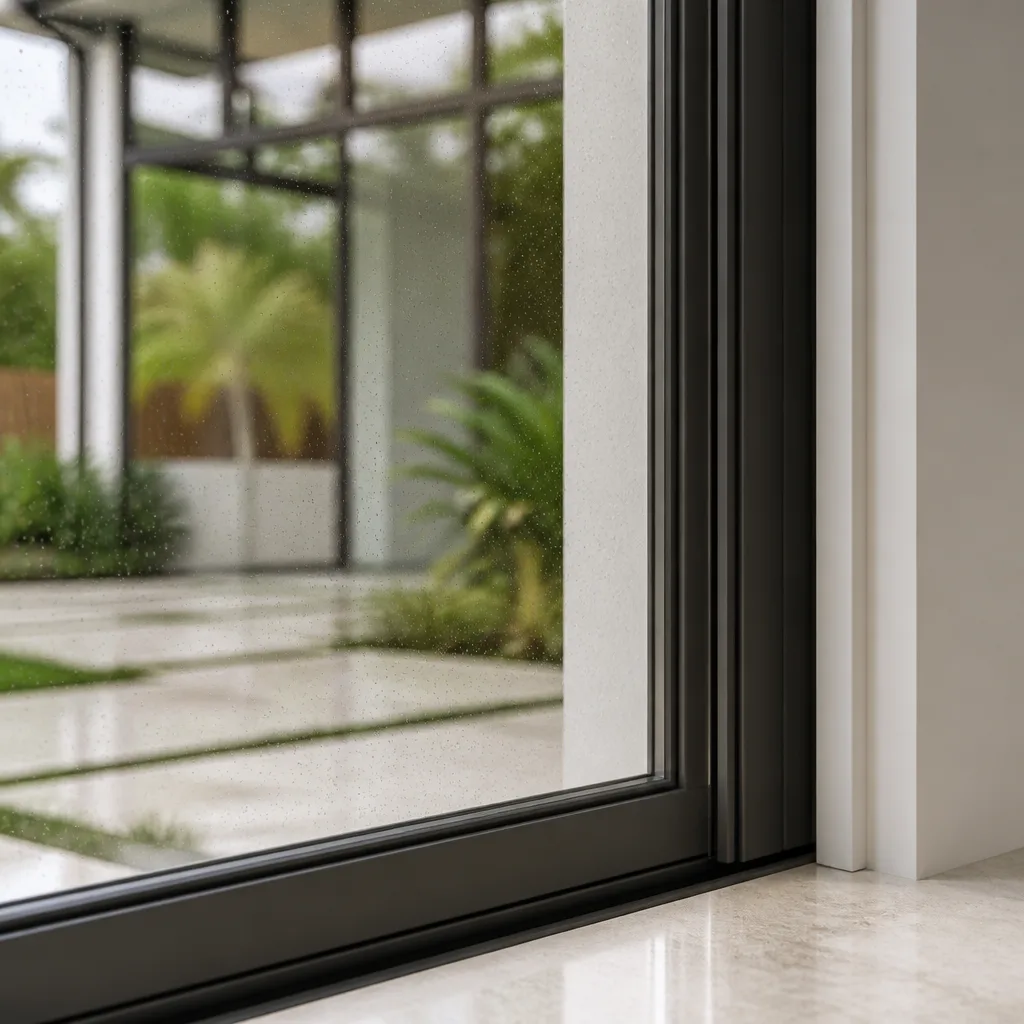
South Miami Heights sits at roughly 25.6 degrees north latitude with a tropical monsoon climate classification. The distinction matters. This is not merely “hot and humid.” The wet season brings concentrated rainfall - often 8 to 12 inches in a single month - followed by six months where relative humidity drops, temperatures moderate slightly, and building materials contract. That expansion-contraction cycle operates on every window component simultaneously.
We see the consequences in our measured surveys across South Miami Heights neighborhoods from Richmond Heights to Goulds. Sill pans designed for 30 inches of annual rainfall elsewhere accumulate debris and algae growth that block weep holes within 18 months. Aluminum frames, specified for their corrosion resistance, develop galvanic corrosion at fastener points where dissimilar metals contact in standing water. And glazing compound, applied in conditions of 85% relative humidity, cures to a harder, more brittle state than manufacturer specifications intend, then cracks in the dry season contraction.
The window installation in South Miami Heights that lasts is the one that accounts for these three mechanisms from day one. But even correctly installed units degrade predictably. Maintenance is the act of intercepting that degradation before it becomes failure.
Three climate-specific factors accelerate wear:
- Wind-driven rain at 45+ mph during summer thunderstorms forces water into gaps that static rainfall would not penetrate
- Salt aerosol from Biscayne Bay, carried on prevailing southeasterly winds, deposits chloride ions on aluminum surfaces and accelerates pitting corrosion
- UV exposure at 4.5+ kWh/m² daily average degrades organic sealants faster than in northern latitudes, causing silicone and butyl tapes to harden prematurely
These factors mean a maintenance checklist written for Atlanta or Charlotte will miss the actual failure modes in South Miami Heights. The procedures below are specific to this climate and this building stock.
The Three Failure Points: Sill Pans, Fasteners, and Glazing Compound
After 18,000+ openings under our Window Installation services, we’ve documented failure patterns by climate zone. In South Florida, three mechanisms account for roughly 80% of premature window replacements that maintenance could have prevented.
Sill Pan Drainage Failure
The sill pan is the sloped surface beneath the operable sash that directs water to exterior weep holes. In South Miami Heights, pollen from royal poinciana and live oak, combined with algae growth in standing water, forms a paste that blocks these drainage paths. Water then pools, overflows the sill track, and enters the wall cavity. The first sign is often interior drywall staining below the window - by which point the sill pan has been compromised for months.
Aluminum Fastener Corrosion
Impact-rated windows in South Miami Heights, including PGT and CGI lines we specify, use aluminum frames for strength-to-weight ratio. But the fasteners - typically stainless steel or zinc-plated steel - create galvanic couples when wet. The aluminum sacrifices itself. White aluminum oxide blooms at fastener heads, then pitting begins. Left unchecked, the frame weakens at its structural connection points.
Glazing Compound Shrinkage
Glazing compound (butyl or polysulfide) seals the glass to the sash frame. Applied in high humidity, it cures harder than specified. The dry season brings contraction; the compound pulls away from glass or frame, opening a capillary path for water. Silicone sealant, sometimes used in field repairs, has different elasticity and adhesion properties - mixing the two without understanding their interaction creates hidden failure paths.
Every procedure in this checklist targets one of these three mechanisms.
Month-by-Month Maintenance Calendar for South Miami Heights

We organize maintenance around the wet-dry cycle, not arbitrary calendar quarters. Tasks cluster at season transitions when materials are most stressed.
May: Pre-Wet Season Inspection
Before the first sustained rains:
- Clear weep holes with a pipe cleaner or dedicated weep-hole tool - never a wire that can damage the baffle
- Test sill pan drainage on every operable window (procedure below)
- Photograph all glazing compound joints for baseline comparison
- Check exterior caulking at frame-to-wall interface for separation
June-September: Active Monitoring
During peak rainfall months:
- After any storm with sustained winds above 35 mph, walk the interior perimeter and check for water staining at window heads and sills
- Operate each window monthly - inactivity in high humidity causes weatherstrip compression set and hardware corrosion
- Remove accumulated debris from window tracks after heavy pollen events
October: Post-Wet Season Assessment
As rainfall diminishes:
- Re-test sill pan drainage - any blockage found now has been active for months
- Inspect aluminum fasteners with magnification (10x loupe or phone macro lens) for white oxide bloom initiation
- Compare glazing compound photos from May; note any new shrinkage cracks wider than 1/16 inch
- Document all findings with dated photos
November: Dry Season Preparation
Before the humidity drop:
- Lubricate hardware with silicone-based lubricant (not petroleum-based, which attacks weatherstrip)
- Tighten accessible fasteners to manufacturer torque if loose; note any that spin freely (stripped or corroded)
- Clean glass and frames with mild detergent; inspect for new scratches or impact damage from summer debris
December-March: Minimal Intervention
The dry season is for observation, not aggressive maintenance:
- Monitor for glazing compound cracks that open during contraction - these will close partially when humidity returns, masking the damage
- Check interior condensation patterns; reduced humidity should eliminate most condensation; persistent patterns indicate air leakage
- Schedule professional assessment if any October findings showed progression
April: Pre-Wet Season Preparation
Repeat the May protocol. The annual cycle closes with documentation compared to prior year.
This calendar aligns maintenance effort with actual material stress, not calendar convenience. A homeowner in South Miami Heights who follows this schedule intercepts problems at the stage where cleaning or spot repair suffices, before wall cavity damage or frame replacement becomes necessary.
How to Test Sill Pan Drainage Without Removing Anything
This is the procedure missing from nearly every maintenance guide we’ve reviewed. It requires no tools beyond a measuring cup and water.
The Slow-Pour Water Test
- Locate the weep holes. On most vinyl and aluminum windows, these are rectangular slots on the exterior face of the sill, sometimes with baffles or covers. On PGT and CGI impact-rated units common in South Miami Heights, weep holes are typically at 6-inch centers with snap-in baffles that prevent insect entry while allowing drainage.
- Verify the baffle is present and not damaged. Missing baffles allow insect nesting, which is a common blockage cause.
- Pour 8 ounces of water slowly onto the interior sill track. The rate matters - pour over 10 seconds, not 2. A fast pour overwhelms the drainage path and tests nothing.
- Observe the exterior weep holes. Water should appear within 15 seconds. Delay beyond 30 seconds indicates partial blockage. No water appearance indicates complete blockage or a disconnected sill pan.
- Check for water on the interior. Any water appearing on the interior sill or below the window indicates overflow - the drainage path is inadequate for even this modest volume.
What the Results Mean
| Result | Interpretation | Action |
|---|---|---|
| Water exits weep holes within 15 seconds, no interior water | Drainage path clear | Document and re-test in 6 months |
| Water exits after 15-30 seconds | Partial blockage, likely debris or algae | Clean weep holes with pipe cleaner; re-test |
| Water does not exit weep holes | Complete blockage or disconnected sill pan | Professional assessment required; risk of wall cavity damage |
| Water appears on interior | Drainage capacity exceeded or sill pan reversed | Professional assessment required immediately |
The slow-pour test is diagnostic, not merely preventive. We find disconnected sill pans in roughly 3% of window replacement in South Miami Heights assessments we perform - installed incorrectly from the start, with no drainage path to the exterior. Only water testing reveals this; visual inspection cannot.
Aluminum Fastener Corrosion: Stages and Response Thresholds
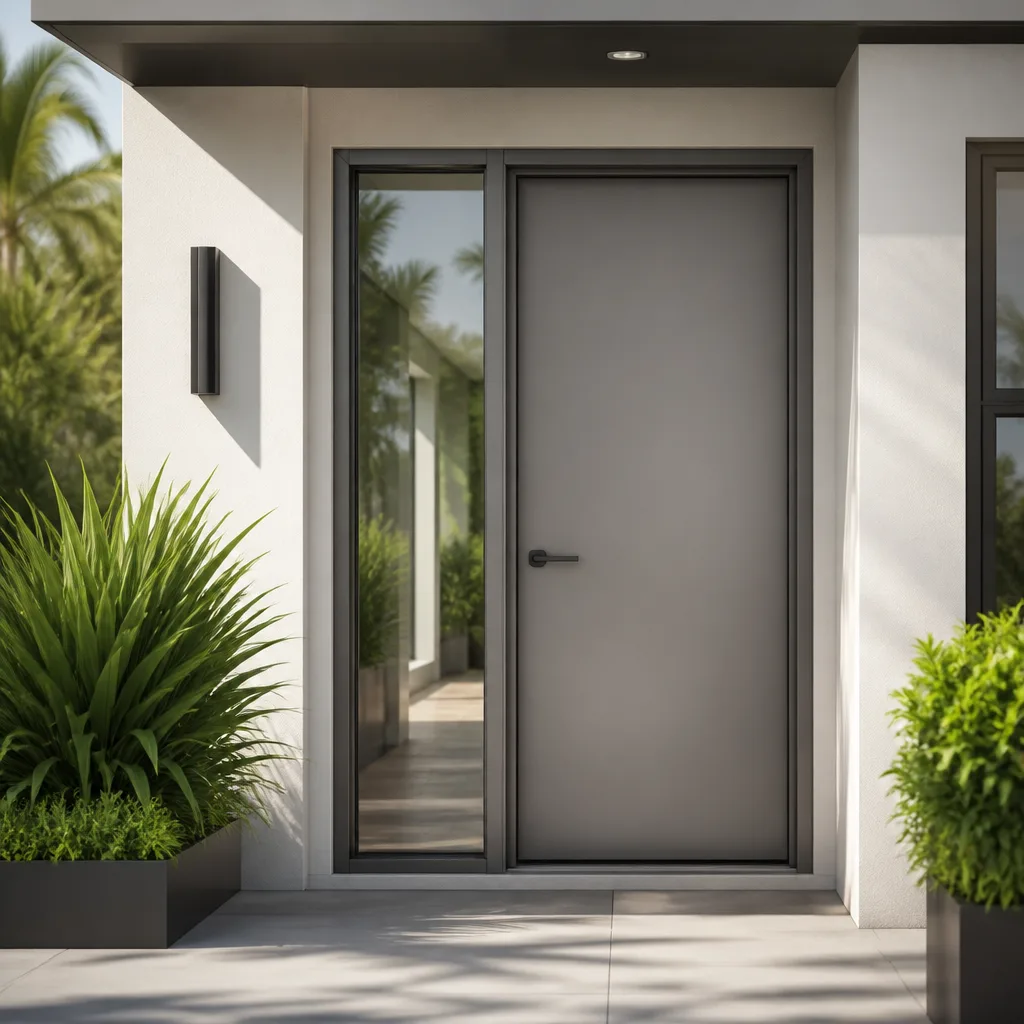
Aluminum window frames in South Miami Heights corrode predictably at fastener points. The progression has four stages, and the response at each stage differs significantly.
Stage 1: Surface Oxidation (No Action Required)
Appearance: Dull, slightly chalky film on aluminum surface near fastener. No pitting. Fastener head remains distinct and sharp-edged.
This is normal aluminum passivation - the oxide layer that protects the base metal. Wipe with damp cloth during routine cleaning. Document with photo for comparison.
Stage 2: White Bloom Initiation (Clean and Monitor)
Appearance: White, powdery deposit at fastener perimeter, like fine salt. Fastener head edges still defined. No material loss from frame.
This is active galvanic corrosion. The aluminum is sacrificing itself to protect the dissimilar metal fastener. Action: clean with nylon brush and mild detergent, rinse thoroughly, dry. Apply aluminum-compatible corrosion inhibitor (not paint). Re-inspect in 3 months. Document with macro photo.
Stage 3: Pitting and Edge Rounding (Professional Assessment Required)
Appearance: Pits or craters in aluminum surface around fastener. Fastener head edges rounded or degraded. Frame material visibly lost.
The structural integrity of the frame-to-fastener connection is compromised. Cleaning is insufficient; the fastener may be loose in an oversized, corroded hole. This requires frame assessment by a technician who can measure remaining material thickness and determine if fastener relocation or frame section replacement is necessary. We document this stage with caliper measurements and photo evidence under the Haven Standard.
Stage 4: Structural Degradation (Replacement Required)
Appearance: Fastener loose or missing. Hole elongated or cracked. Frame section cracked or perforated.
The window’s structural rating - impact resistance, design pressure - is invalidated. Repair is not code-compliant. Full frame replacement is required, with documentation for insurance if storm damage contributed.
The threshold between Stage 2 and Stage 3 is where most homeowners hesitate. In South Miami Heights, with salt aerosol and 60+ inches of annual rainfall, Stage 2 progresses to Stage 3 in 12-24 months if untreated. Annual inspection with magnification catches this transition.
Glazing Compound vs. Silicone Sealant Inspection
The seal between glass and frame uses one of two materials: glazing compound (butyl tape, polysulfide, or traditional linseed-oil putty on older units) or silicone sealant. They age differently, and mixing them in repair creates failure paths.
Identifying What You Have
Glazing compound is typically applied beneath a removable stop or bead; the glass sits in a bed of compound, and the stop mechanically retains it. Silicone sealant is surface-applied, visible as a smooth fillet between glass edge and frame, with no mechanical stop covering it. Many windows use both: glazing compound as the primary seal, silicone as a secondary weatherseal at the exterior.
Normal Weathering vs. Active Water Intrusion
| Condition | Normal Weathering | Active Intrusion Path |
|---|---|---|
| Glazing compound surface | Slight dulling, minor surface cracking less than 1/32 inch deep | Cracks through full thickness, or separation from glass or frame |
| Silicone sealant | Surface chalking, slight color change | Bubbling, separation from substrate, or visible gap when compressed |
| Interior evidence | None | Condensation between panes (sealed unit failure), or staining at frame interior |
| Response | Document and monitor | Professional re-glazing or sash replacement |
The Silicone-Over-Glazing-Compound Error
We encounter this frequently in South Miami Heights: a homeowner or handyman applies silicone sealant over deteriorating glazing compound, thinking to “seal” the problem. Silicone does not adhere well to aged butyl or polysulfide. It skins over, appears to fix the issue, but water continues migrating through the original compound degradation. The silicone traps water against the frame, accelerating corrosion.
Correct repair requires removing the old glazing compound to bare metal or vinyl, applying compatible primer if specified by the manufacturer, and installing new compound of the same type. On impact-rated units from PGT, CGI, or CWS, this work affects the product’s Miami-Dade NOA (Notice of Acceptance) compliance; documentation of materials and procedure is required for warranty and insurance purposes. See Windows & Doors Permits, Codes & Inspections in FL: What You Need to Know for code requirements.
Our door installation in South Miami Heights assessments use the same inspection protocol for sidelight and transom glazing, as the materials and failure modes are identical.
Post-Hurricane Inspection Protocol and Photo Documentation
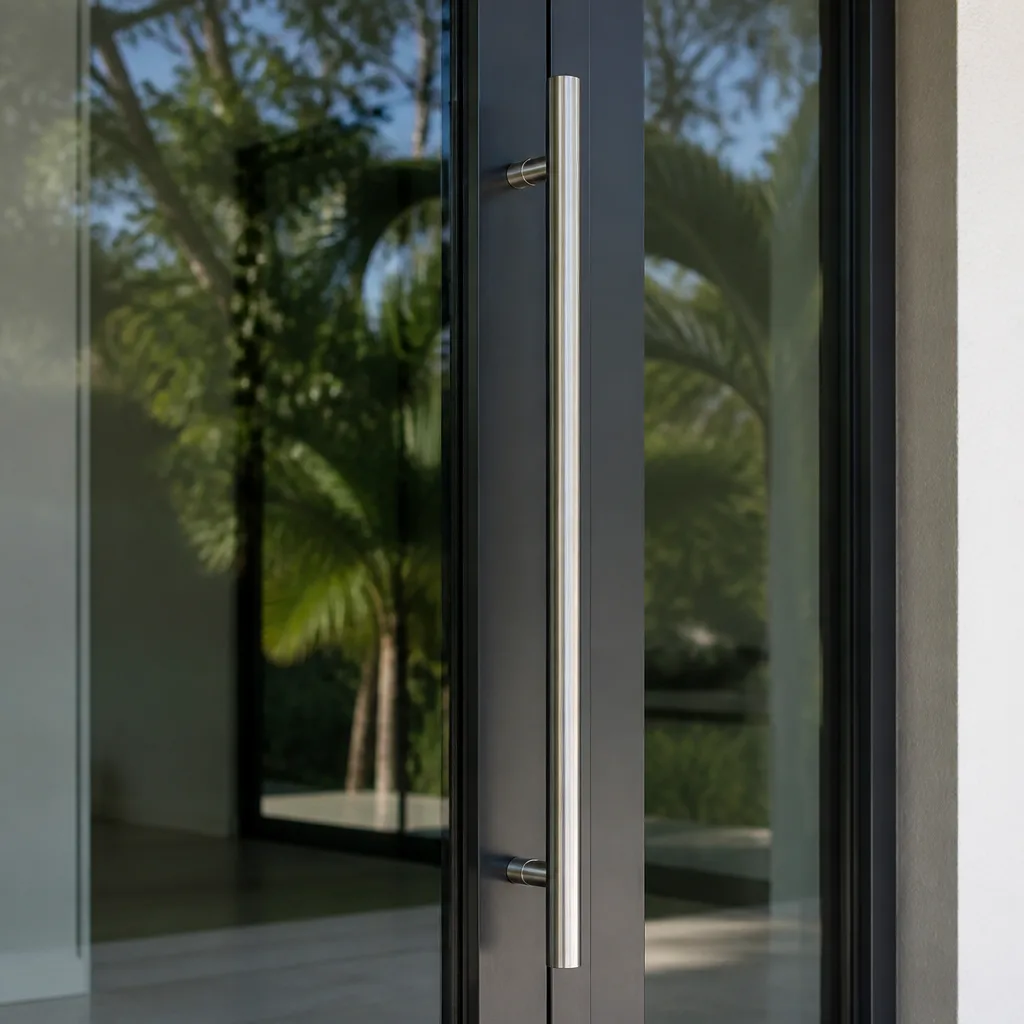
South Miami Heights lies in Miami-Dade County’s High-Velocity Hurricane Zone. Post-storm inspection has two purposes: immediate safety assessment, and documentation for insurance claims. The Haven Standard requires both on every visit we make after named storms.
Immediate Safety Assessment (Within 24 Hours)
- Do not approach any window with visible glass damage from outside. Impact-rated glass is designed to remain in the frame when fractured, but the laminate may be compromised and the panel unstable.
- From the interior, check for water intrusion at all window perimeters. Staining, bubbling paint, or damp carpet indicates seal failure or frame distortion.
- Operate each window. Binding, jamming, or unusual resistance indicates frame racking or hardware damage from pressure cycling.
- Inspect exterior frame-to-wall sealant. Separation or tearing indicates wind pressure exceeded the sealant’s adhesion; water intrusion will follow in subsequent rains even if not yet visible.
Documentation for Insurance Claims
Insurance adjusters require evidence of pre-existing condition versus storm-caused damage. Our documented photo record protocol, standard on every job, provides this. For homeowner self-documentation:
- Photograph every window exterior from 10 feet, showing full frame and surrounding wall
- Photograph each corner of the frame-to-wall interface close-up
- Photograph any glass damage with scale reference (ruler or coin)
- Photograph interior evidence of water intrusion with date stamp
- Record wind speed and duration from nearest NOAA reporting station
- Retain all photos with original metadata; do not edit or compress
The 365-Day Done Right Promise applies to our installations, but insurance claims require independent documentation. We provide our photo record to customers upon request for claim support; it is their property under Haven Clause 5 (Evidence on Every Job).
After Hurricane Irma in 2017, we documented frame distortion in South Miami Heights homes that appeared intact from the street. The pressure cycling - repeated positive and negative pressure as the storm passed - had racked frames enough to break sealant adhesion without fracturing glass. Only close inspection with photo documentation revealed the damage. Those homeowners who had pre-storm photos from our installation record received full replacement coverage; those without faced protracted disputes over whether damage was pre-existing.
Tools and Supplies for Annual Window Maintenance
No specialized tools are required for the procedures in this checklist. We specify what we use in our own maintenance assessments.
- Measuring cup (8 oz or 250 ml) for slow-pour water test
- Pipe cleaners or dedicated weep-hole tools - soft, non-metallic
- 10x loupe or phone with macro lens capability for fastener corrosion inspection
- Nylon brush (old toothbrush) for corrosion cleaning
- Mild dish detergent - no ammonia, no abrasive
- Silicone-based lubricant for hardware - we use Blaster or equivalent; petroleum-based products degrade weatherstrip
- Aluminum-compatible corrosion inhibitor - not paint, not generic spray lubricant
- Camera with date stamp or phone with location services enabled for documentation
- Ruler or coin for scale reference in damage photos
Total investment: under $50. Time for full annual inspection on a typical 3-bedroom South Miami Heights home: 3 to 4 hours.
Common Mistakes to Avoid
- Using a pressure washer on window frames. The high-pressure stream drives water past weatherstrip into the wall cavity and can deform vinyl weep hole baffles. We see this cause more damage than it prevents in Richmond Heights and Goulds homes.
- Applying silicone sealant over deteriorated glazing compound. As described above, this traps moisture and accelerates hidden damage. Complete removal and replacement with compatible material is the only correct repair.
- Ignoring windows that “never get opened.” In South Miami Heights humidity, inoperative hardware corrodes in place; weatherstrip takes a compression set. Monthly operation through full range of motion prevents this.
- Cleaning weep holes with metal wire. The wire damages the baffle or enlarges the hole, allowing insect entry. Use only soft, non-metallic tools.
- Waiting for visible interior water damage to inspect. By the time drywall stains appear, the sill pan has been compromised for months and wall cavity damage is established. The slow-pour test catches problems before visible evidence.
- Using petroleum-based lubricants on window hardware. These products attack EPDM and silicone weatherstrip, causing swelling and premature failure. Silicone-based lubricants only.
- Failing to document pre-storm condition. Insurance adjusters require evidence of pre-existing condition. Annual photo documentation, dated and retained with original metadata, is essential for claim support in Miami-Dade’s High-Velocity Hurricane Zone.
When to Call a Professional
Some conditions exceed homeowner maintenance scope. Call for professional assessment when:
- Sill pan drainage test shows no water exit or interior overflow - indicates disconnected or reversed sill pan, or wall cavity blockage
- Fastener corrosion reaches Stage 3 (pitting with material loss) - structural integrity compromised
- Glazing compound shows through-cracking or separation - re-glazing requires product-specific materials and may affect impact rating compliance
- Window operation is binding or jammed after storm exposure - possible frame racking or hardware damage from pressure cycling
- Condensation appears between panes of sealed units - seal failure, unit replacement required
- Any damage to impact-rated glass - the laminate may be compromised even if glass remains in frame
Sightline Windows & Doors South Miami Heights offers free estimates in South Miami Heights - call (786) 481-0414. Every assessment includes a measured survey you keep, a written scope and price before any work starts, and a documented photo record. The price in the written quote is the price on the invoice; Haven Clause 1 permits no other arrangement.
Frequently Asked Questions
Professional inspection and maintenance for a typical single-family home in South Miami Heights ranges from $180 to $340, depending on window count and accessibility. This includes sill pan drainage testing, fastener corrosion assessment with documentation, hardware adjustment and lubrication, and a written condition report with photo record. Call (786) 481-0414 for an exact quote - estimates are free.
Inspect quarterly in South Miami Heights: before the wet season (May), after peak storm period (October), before the dry season (November), and before the wet season returns (April). The wet-dry cycle creates specific stress points that temperate-climate annual inspection misses. Monthly operation of every window through full range of motion prevents hardware seizure and weatherstrip compression set.
No. Sightline’s written quote is the measured survey document itself; the price cannot change once issued. Haven Clause 1 (Have It in Writing) governs every engagement since 2012. If concealed damage is found after work begins, we document it, stop, and issue a revised written scope for your approval before proceeding. No work proceeds without a written price.
Yes, in two respects. Impact-rated windows from PGT, CGI, and CWS have heavier frames and laminated glass that responds differently to pressure cycling; post-storm inspection must include frame racking assessment, not merely glass inspection. And any glazing repair affects Miami-Dade NOA compliance; materials and procedures must match manufacturer specifications exactly. Documentation is required for warranty and insurance purposes.
The impact rating is valid only if the frame, glass, and installation remain as originally tested and approved. Frame distortion, fastener corrosion beyond Stage 2, glazing compound failure, or sealant separation all potentially invalidate the rating. Professional assessment with documentation against manufacturer specifications is required for definitive determination. We provide this assessment with written findings suitable for insurance submission.
The test requires pouring water on the interior sill and observing the exterior weep holes. For second-story windows, this requires interior access (standard) and exterior observation from ladder or ground with binoculars. Do not lean from windows to observe weep holes; the fall risk exceeds the diagnostic value. If exterior observation is impractical, schedule professional assessment. We test all windows from both sides as standard procedure.
The Bottom Line
Window maintenance in South Miami Heights is not generic home care adapted to a warm climate. It is specific intervention against three failure mechanisms - sill pan drainage blockage, aluminum fastener corrosion, and glazing compound shrinkage - that the wet-dry cycle creates and accelerates. The slow-pour water test, magnified fastener inspection, and documented glazing assessment catch problems at the stage where cleaning or spot repair suffices. Annual photo documentation provides the evidence baseline that insurance claims require in Miami-Dade’s High-Velocity Hurricane Zone. The calendar is simple: inspect at season transitions, operate monthly, document always. The cost of this discipline is measured in hours; the cost of neglect is measured in wall cavity remediation, frame replacement, or denied insurance claims.
Written by Sonia Raman, Owner at Sightline Windows & Doors South Miami Heights home, serving South Miami Heights since 2012.
Six Reasons Homeowners Choose Sightline Windows & Doors South Miami Heights
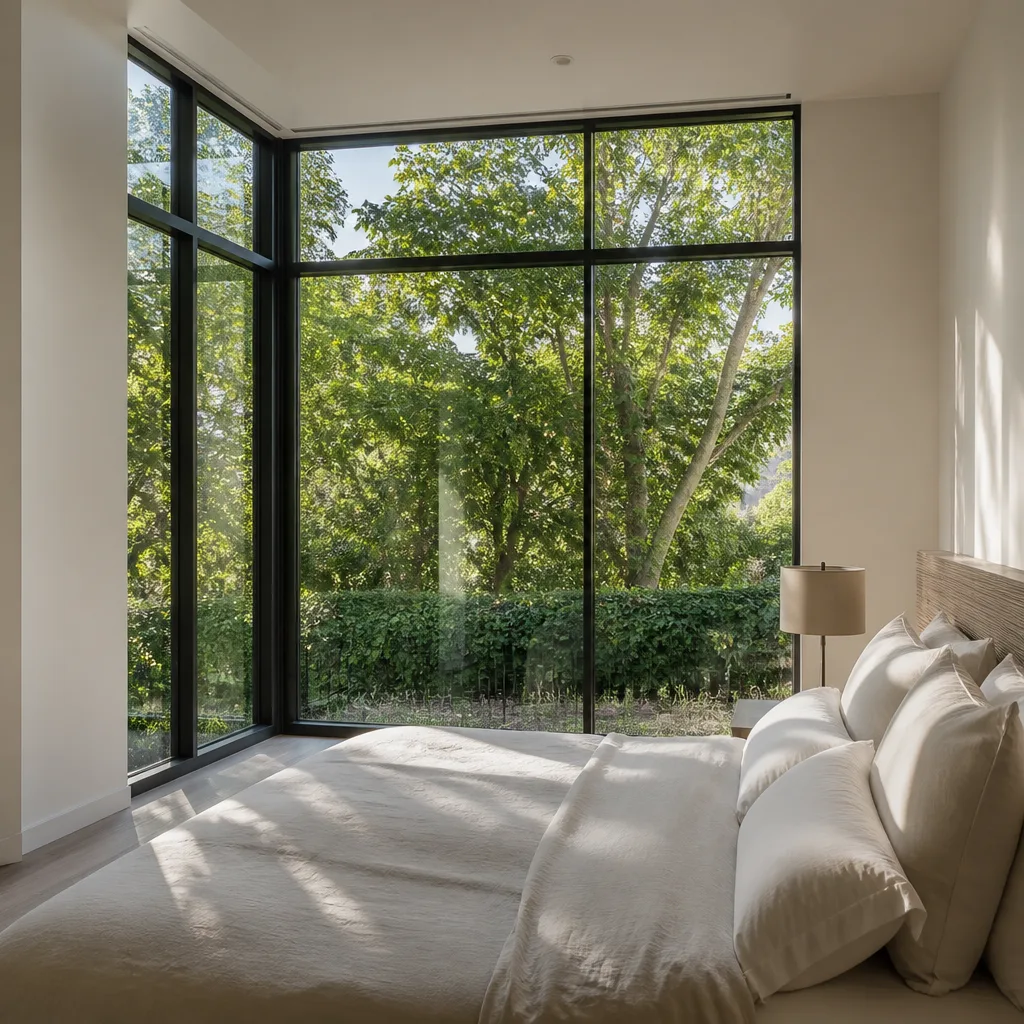
Impact systems engineered to design pressures up to +/-100, matched to your wind zone - your openings hold when the storm arrives.
Low-E insulated impact glass from our manufacturer lines commonly cuts monthly cooling bills 20-30%.
Laminated impact glass shuts out up to 40% of outside noise - traffic, neighbors, weather.
Monitoring services run $30-90 a month. Laminated impact glass resists forced entry around the clock, with no subscription.
Florida homeowners average around 25% savings on the windstorm portion of their policy after protecting every opening - some homes qualify for more.
A full impact package upgrades curb appeal, buyer confidence and appraised value in one project.
Other Sightline Windows & Doors South Miami Heights Services
What Neighbors Say About Sightline Windows & Doors South Miami Heights