Last updated September 24, 2026
New windows and doors improve comfort, cut energy bills and add long-term value to your home. Sightline Windows & Doors South Miami Heights pairs proven product lines with our own installing crews for lasting performance - and a price we put in writing.
1. Choose your installer
The unit is half the job - the install is the other half. Our own background-checked crews measure, set, seal and insulate every opening, and they know the lines we quote inside and out because they install them every week.
2. Select the right products
Compare styles, materials and glass packages side by side until the fit is right for your rooms, your budget and your goals. The product-line comparison below is the place to start.
3. Prepare your home for install
Before install day we walk you through a short checklist - furniture pulled back, treatments down, a clear path to each opening - so install day is watch-it-happen, not scramble.
Compare the Lines We Quote
Every project is priced on the same lines, side by side - the price indicators below are relative, and your consultant shows exact numbers on your actual openings.
PGTThe line Florida homeowners arrive naming - the most Miami-Dade certifications in the industry$$$
- More Miami-Dade NOA certifications than any other line we quote
- WinGuard, EnergyVue and ClassicVue Max systems built for every wind zone
- 99% on-time delivery keeps your install date on the calendar
CGIThe heavyweight impact line$$$$$
- Large-missile impact ratings for the strictest wind zones
- Architectural-grade aluminum with commercial-depth frames
- The line we quote when protection is the whole point
CWSThe Florida value pick$$
- Vinyl systems built in Florida for Florida codes
- Strong energy packages at the friendliest price point
- The smart start for whole-home replacements on a budget
ESWSlim lines, big glass$$$$
- Narrow-sightline aluminum for modern elevations
- Oversized openings and floor-to-ceiling glass
- Impact-rated without the bunker look
ECOThe aluminum impact workhorse$$$
- Miami-built aluminum impact systems
- A strong price-to-protection ratio for coastal homes
- Proven inventory lines with short lead times
The Complete Guide to Windows & Doors in South Miami Heights
Every window and door installed in South Miami Heights must survive what the Miami-Dade Building Code calls a 9-pound 2×4 fired at 34 miles per hour. That is not marketing language. It is the test standard behind the Miami-Dade Notice of Acceptance, a product approval layer that does not exist in Orlando, Tampa, or anywhere else in Florida. Most national buying guides skip this entirely, which is why homeowners in our area sometimes buy windows that are legal to sell in Florida but illegal to install on their own street. This guide explains how the High-Velocity Hurricane Zone rulebook actually works, what documentation to demand before anyone touches your opening, and how to verify that the product on your quote matches the product the county inspector will accept.
Quick Answer
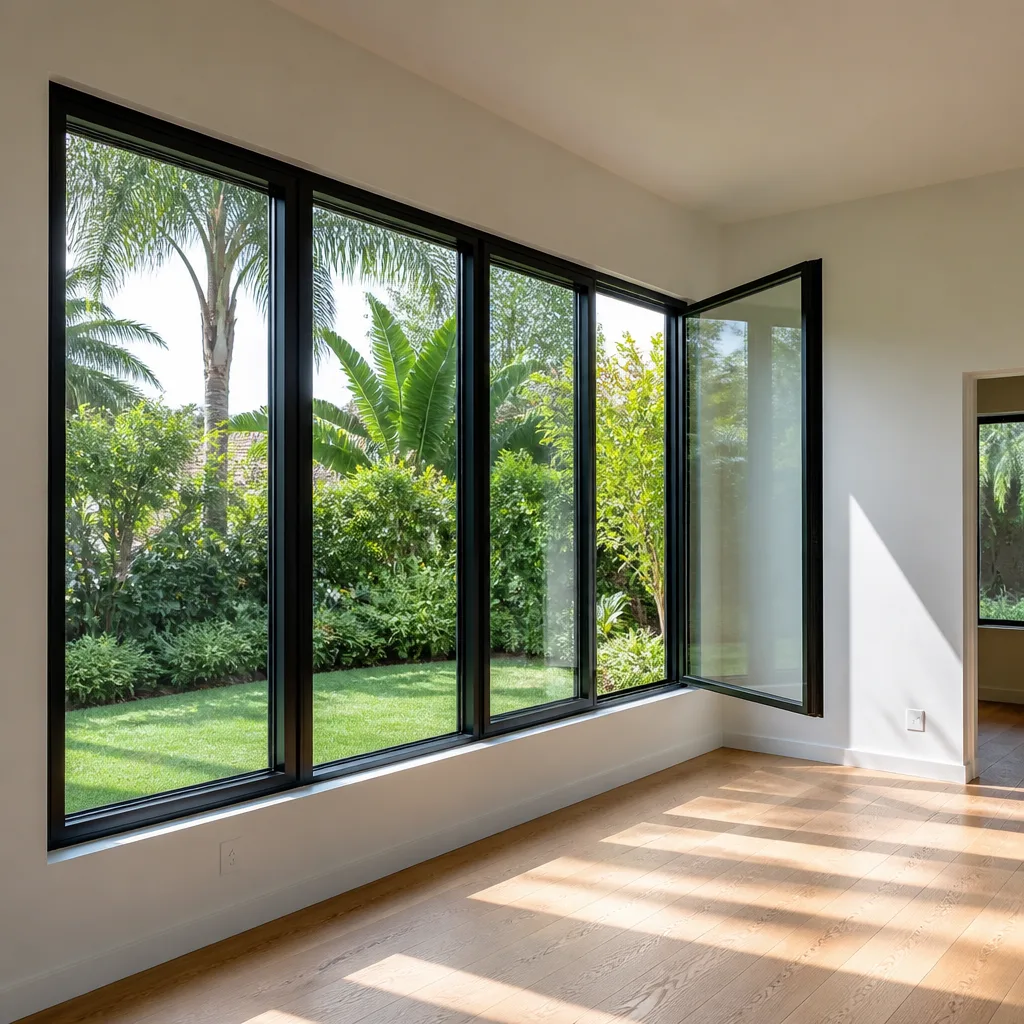
Windows and doors in South Miami Heights must carry a Miami-Dade Notice of Acceptance (NOA) number to pass inspection, not just Florida Product Approval. Expect to pay $650-$1,400 per opening for impact-rated vinyl window installation, $1,200-$2,800 for aluminum, with permit and inspection costs typically adding $180-$350 per project. The right product depends on your exposure to salt air, your home’s year of construction, and whether your opening faces the prevailing easterly wind path across Biscayne Bay.
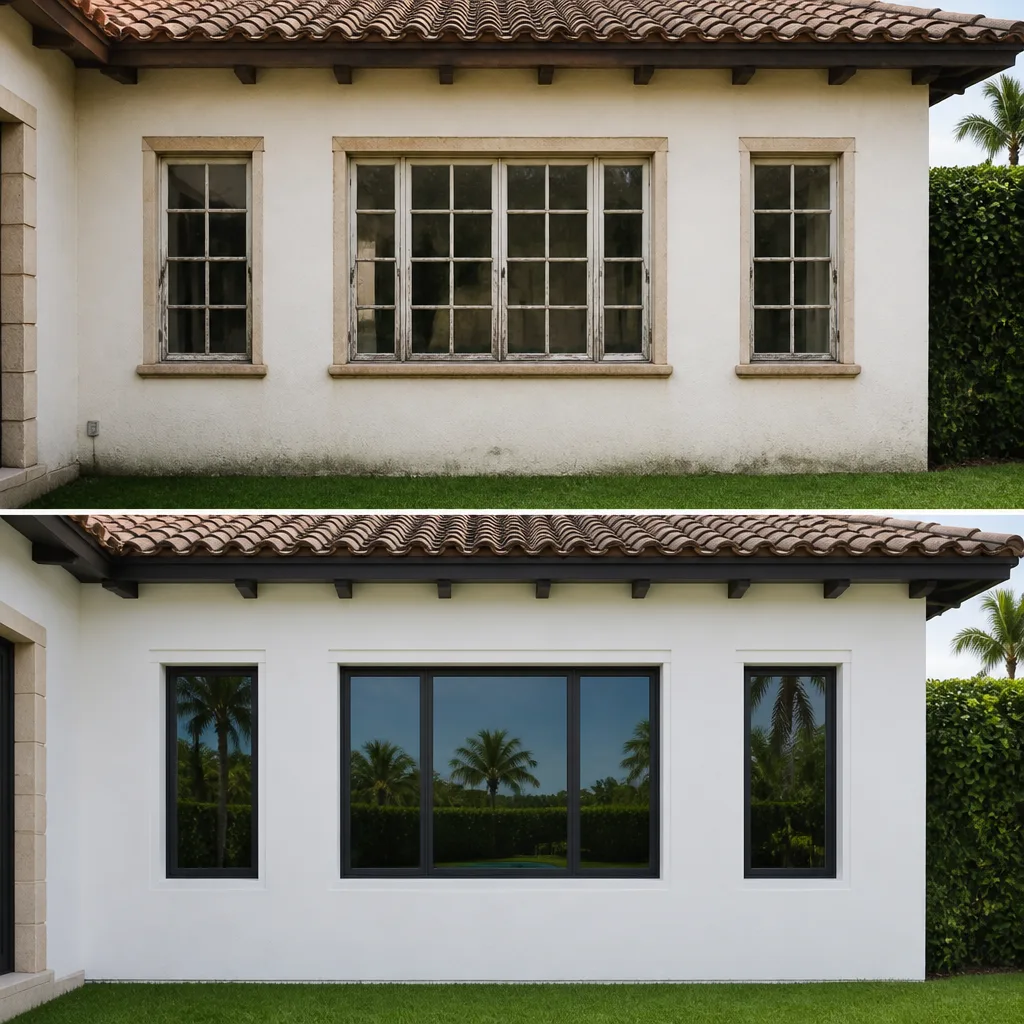
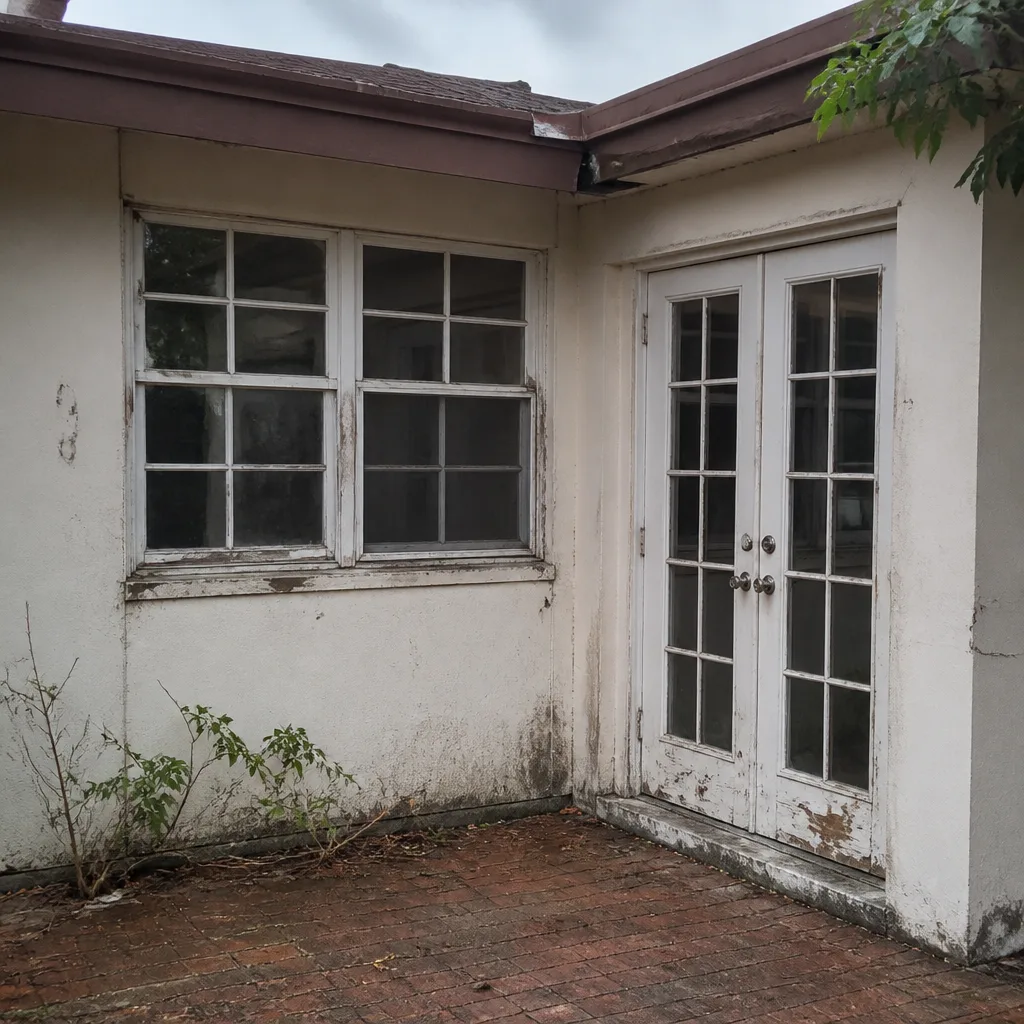 Before
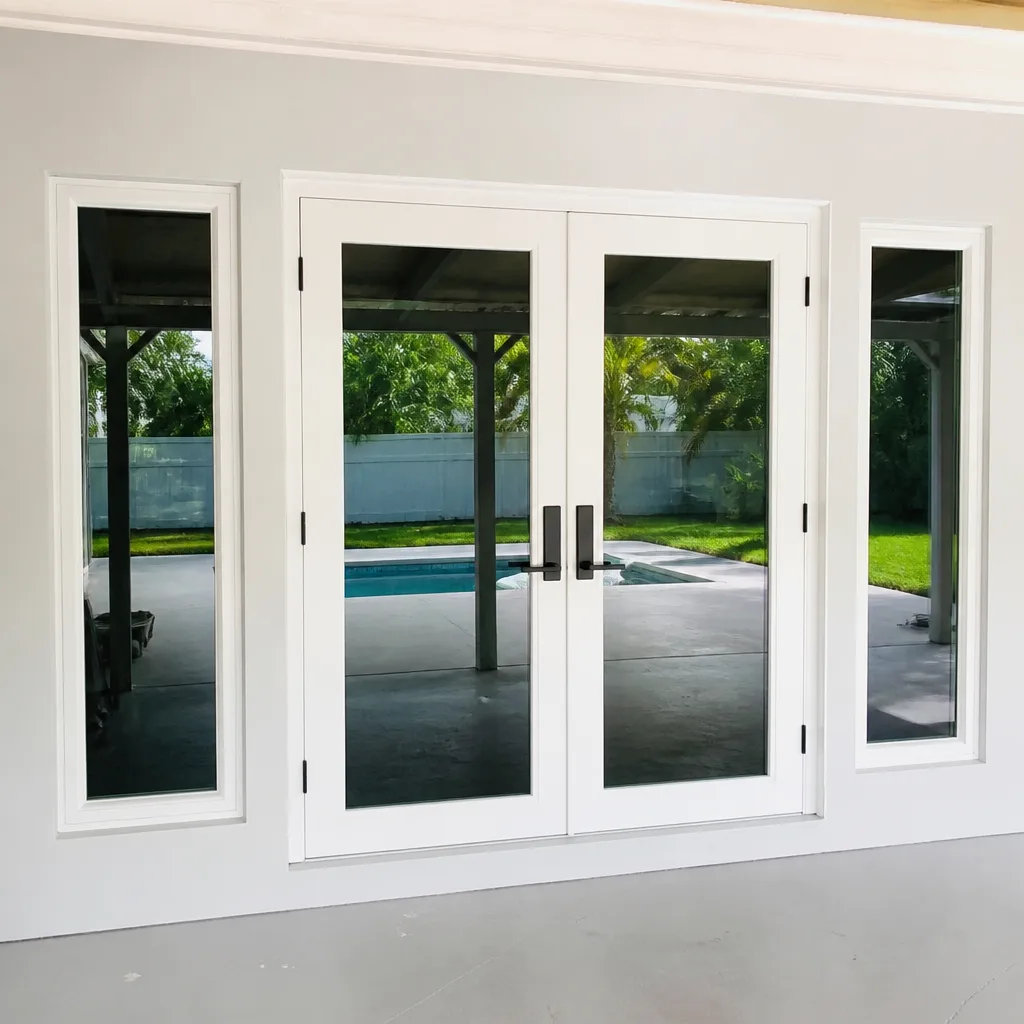 After
AfterTable of Contents
- The HVHZ Rulebook: Why South Miami Heights Is Different
- How to Verify a Miami-Dade NOA Number Before Signing
- Florida Product Approval vs. Miami-Dade NOA: The Critical Gap
- Frame Materials for Salt Air and Humidity: A Performance Matrix
- What a Measured Survey Document Should Contain
- Permit Pull Responsibility: Who Is Liable If the Inspector Rejects Your Opening
- Selecting Products by Performance Tier, Not by Margin
- Cost Breakdown: What South Miami Heights Homeowners Actually Pay
The HVHZ Rulebook: Why South Miami Heights Is Different
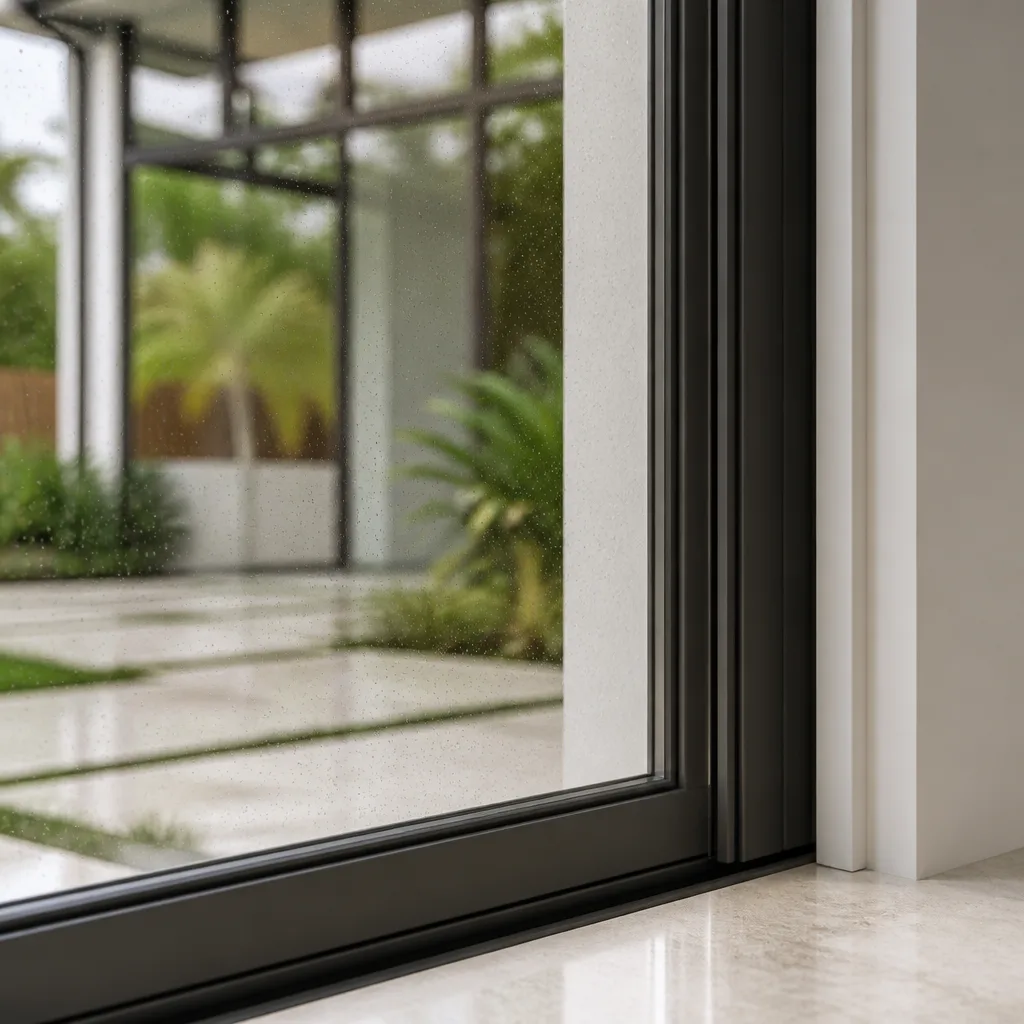
South Miami Heights sits entirely within Miami-Dade County’s High-Velocity Hurricane Zone, a designation created after Hurricane Andrew in 1992 and tightened again after the 2004-2005 storm seasons. The HVHZ is not a suggestion. It is a separate chapter of the Florida Building Code with product testing standards that exceed statewide requirements by measurable margins.
Here is what that means in practice. A window rated for 140 mph wind speed under Florida Product Approval might need to demonstrate resistance to 170 mph gusts plus missile impact to earn a Miami-Dade NOA. The difference is not academic. In 2017, after Hurricane Irma, Miami-Dade inspectors documented multiple failures of non-HVHZ-rated products that had been installed in county buildings by contractors who assumed statewide approval was sufficient.
The HVHZ rules affect every decision downstream:
- Product selection: Only manufacturers who submit to Miami-Dade’s separate testing protocol can sell impact-rated products here. PGT, CGI, CWS, and ES Windows all maintain active NOA portfolios for this market. A product line missing from the Miami-Dade approved products database cannot legally be installed, regardless of its performance elsewhere.
- Installation method: The NOA specifies not just the window but the fastening pattern, the sealant type, the minimum embedment into concrete or wood framing, and the allowable wall construction types. Change any variable without engineering review and the product is no longer installed per its approval.
- Inspection sequence: Miami-Dade requires a rough inspection before trim or finish work covers the fastening and flashing. Miss this inspection and you may need to remove interior or exterior finish to prove compliance.
- Insurance implications: Some carriers in South Miami Heights now request photographic evidence of NOA-compliant installation for windstorm mitigation credits. Non-compliant work can reduce or eliminate premium discounts.
The prevailing wind pattern matters too. Openings facing east or southeast across Biscayne Bay see sustained higher wind loads than those shielded by the urban core. In the Palmetto Estates and Richmond Heights areas near South Miami Heights, we have measured repeated pressure differentials on east-facing walls during winter cold fronts that approach hurricane-force gusts. The HVHZ code accounts for this exposure; a generic Florida guide does not.
How to Verify a Miami-Dade NOA Number Before Signing
A Miami-Dade Notice of Acceptance is a numbered document, typically formatted as NOA XX-XXXX.XX, issued by the Miami-Dade County Product Control Division. It is public record. You can verify it yourself in under three minutes. Every contractor quoting impact-rated work in South Miami Heights should provide this number without prompting. If they do not, or if they deflect to “it’s Florida-approved,” that is a signal to stop the conversation.
- Request the NOA number in writing. The quote should list the manufacturer, product series, and full NOA number for each proposed opening. Not “PGT impact window.” PGT WinGuard 5700 Series, NOA 20-0905.04, or equivalent specificity.
- Search the Miami-Dade approved products database. Go to the Miami-Dade County Product Control Division website and enter the NOA number. The document you pull should match the product description on your quote exactly. Same series, same glazing option, same frame depth.
- Check the expiration date. NOAs expire and require renewal. An expired NOA does not grandfather in; the product must have current approval at the time of installation. We have seen homeowners in South Miami Heights discover at rough inspection that their contractor specified a product whose NOA lapsed three months prior.
- Verify the installation limits. The NOA includes tables showing maximum opening dimensions, design pressure ratings by wind zone, and approved wall types. A window approved for 4-inch concrete block may not be approved for wood frame construction, or vice versa. Your home’s construction type must match the NOA’s approved applications.
- Confirm the glazing specification. Impact-rated products often have multiple glazing options under the same NOA. The laminated glass thickness, interlayer type, and any Low-E coating must be specified on your quote and must match the NOA’s approved configurations.
At Sightline Windows & Doors South Miami Heights home, every quote includes the NOA number, expiration date, and a direct link to the county database entry. Haven Clause 1 requires it: the written scope and the supporting documentation travel together.
Florida Product Approval vs. Miami-Dade NOA: The Critical Gap

This distinction costs homeowners thousands when misunderstood. Florida Product Approval is issued by the Florida Department of Business and Professional Regulation and is valid statewide. Miami-Dade NOA is issued by the county and is required within the HVHZ. A product can hold Florida Product Approval and still lack Miami-Dade NOA. It can even hold both, but with different performance ratings under each approval.
We have reviewed competitor quotes in South Miami Heights where the contractor listed “Florida Product Approved” as if it satisfied local code. It does not. The Miami-Dade Building Code explicitly requires NOA-compliant products for all new installations and most replacements in the HVHZ. Florida Product Approval alone will fail inspection.
The gap shows up in three common scenarios:
- Online purchases: National retailers sell “impact-rated” windows with Florida Product Approval numbers prominently displayed. The Miami-Dade NOA is absent because the manufacturer never submitted for county testing. Install these in South Miami Heights and the inspector will red-tag the job.
- Out-of-county contractors: A contractor based in Broward or Palm Beach may work primarily under Florida Product Approval and assume the same products transfer. They do not. We have been called to correct jobs where the homeowner paid twice: once for the initial install, again for removal and replacement with NOA-compliant products.
- Product line variations: A manufacturer may offer a “Florida series” and a “Miami-Dade series” of the same nominal product. The differences are in the frame reinforcement, the glazing bead design, or the fastening clip geometry. The model numbers differ by a suffix. Without checking the NOA, you cannot tell which you are buying.
The practical test is simple. Ask your contractor: “Will this product pass Miami-Dade rough inspection with the NOA number listed on the permit application?” A yes with documentation is acceptable. A yes with hesitation, or a pivot to “it’s the same window,” is not. For more on vetting installers, see our guide on How to Hire a Windows & Doors Contractor in South Miami Heights: A Step-by-Step Guide.
Frame Materials for Salt Air and Humidity: A Performance Matrix
South Miami Heights is approximately 8 miles from Biscayne Bay as the crow flies, and the salt aerosol load increases measurably within 10 miles of open salt water. Relative humidity averages 72% annually and spikes above 85% for extended periods in summer. These conditions degrade window frames on a predictable schedule, but the schedule differs by material.
We have measured frame condition on hundreds of South Miami Heights homes since 2012. The pattern is consistent enough to forecast with reasonable confidence:
| Material | Expected Service Life in South Miami Heights | Failure Mode | Maintenance Requirement | Relative Installed Cost |
|---|---|---|---|---|
| Aluminum (non-thermal break) | 12-18 years | Corrosion at weep holes and sill; condensation staining on interior | Annual rinse; silicone renewal at 5 years | $ |
| Aluminum (thermal break) | 20-28 years | Polyamide strip degradation after 20 years; seal failure | Biennial inspection of thermal break continuity | $$ |
| Vinyl (multi-chamber) | 25-35 years | UV chalking; gasket hardening; sash warp in dark colors | Clean and lubricate hardware annually | $$ |
| Fiberglass (pultruded) | 30-40+ years | Paint system failure if factory coating compromised | Minimal; inspect sealant at 10-year intervals | $$$ |
The color selection affects lifespan more than most homeowners expect. Dark vinyl frames in South Miami Heights absorb enough solar gain to soften the profile during summer afternoons. We have documented sash warp on south-facing dark vinyl windows within 8 years of installation. Light colors or fiberglass are the conservative choice for high-exposure orientations. For year-round maintenance tips, read Seasonal Windows & Doors Care for South Miami Heights: Year-Round Homeowner’s Guide.
Aluminum remains common in South Miami Heights for its strength in large openings and its compatibility with impact-rated laminated glass, which is heavy. A 72×96 inch sliding glass door with impact glazing can exceed 400 pounds. Aluminum’s structural modulus handles this load with slimmer frame profiles than vinyl. The tradeoff is thermal performance: non-thermal-break aluminum conducts heat directly, and we have measured interior surface temperatures 15°F above ambient on south-facing aluminum frames in August.
For window installation in South Miami Heights, we specify material by orientation and exposure, not by price tier alone. East-facing bedrooms with morning sun and salt spray get different recommendations than west-facing living rooms with afternoon thermal load.
What a Measured Survey Document Should Contain
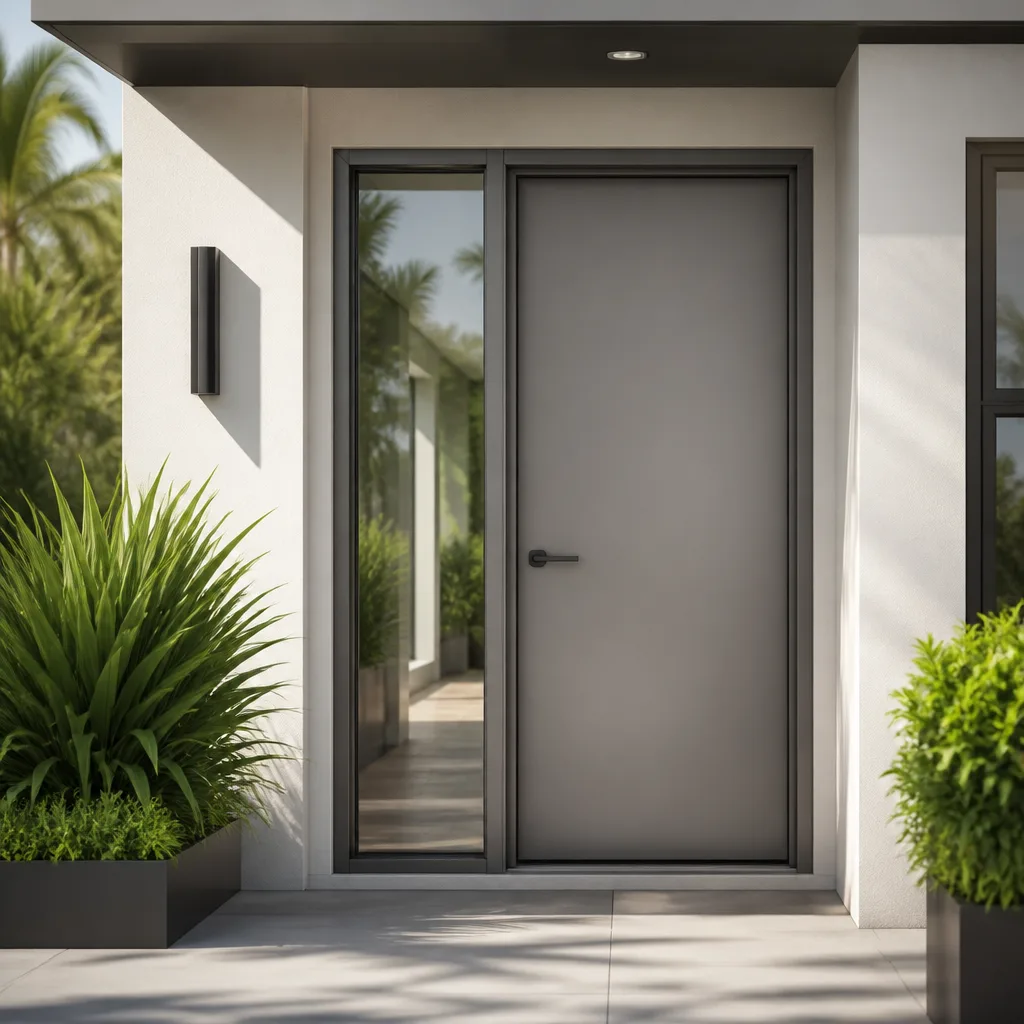
The measured survey is the foundation document of any window or door replacement. It is not a sales sheet. It is a technical record that becomes the basis for the quote, the order, the permit application, and the final inspection. At Sightline, the customer keeps the original measured survey; the quote is generated from it and cannot deviate without a revised survey signed by both parties.
A proper measured survey for South Miami Heights should include:
- Opening dimensions at three points: width at head, sill, and midpoint; height at left jamb, right jamb, and midpoint. Out-of-square tolerance noted if exceeding 1/4 inch.
- Frame condition assessment: rot, termite damage, or water intrusion in existing framing; whether the opening requires reframing before new product installation.
- Wall construction type: concrete block with stucco, wood frame with siding, or mixed construction. This determines the NOA-approved fastening pattern and the flashing detail.
- Exposure notation: compass orientation, proximity to salt water, overhang depth, and any adjacent structures that create wind tunneling or shading effects.
- Interior finish condition: whether existing trim will be preserved, replaced, or modified; whether drywall repair is anticipated.
- Product specification with NOA reference: manufacturer, series, dimensions, glazing, hardware, and full NOA number.
- Photographic record: minimum four images per opening (exterior wide, exterior detail, interior wide, interior detail) with timestamp.
- Customer signature and date: confirming accuracy and authorizing quote generation from this document.
What a measured survey is not: a single number scribbled on a business card, a verbal “about 36 by 72,” or a quote generated from satellite imagery. We have corrected jobs in the Richmond Heights area where the initial contractor ordered from a phone description and the product arrived 2 inches too wide for the actual rough opening. The cost of that error fell on the homeowner when the contractor disappeared.
Haven Clause 1 states: the measurement and the quote are the same document. Any contractor who separates these, who generates a quote before putting a tape on the opening, is working from assumption rather than evidence.
Permit Pull Responsibility: Who Is Liable If the Inspector Rejects Your Opening
In Miami-Dade County, window and door replacement in the HVHZ requires a building permit for any opening modification, any impact-rated installation, or any work affecting the structural integrity of the envelope. The permit application must list the NOA numbers for all proposed products. The permit holder is legally responsible for code compliance.
This is where homeowners in South Miami Heights sometimes assume incorrectly. If you hire a contractor who asks you to “pull the permit as owner-builder” to save money, you become the permit holder. You become the party liable if the inspector finds non-compliant products, improper fastening, or missing documentation. The contractor has no legal obligation to correct the work at their expense. We have seen this arrangement end in county liens against the property and uncovered correction costs exceeding the original job price. Before deciding whether to tackle work yourself, review our DIY vs Professional Windows & Doors: The South Miami Heights Homeowner’s Decision Guide.
The correct allocation is straightforward:
- Licensed contractor pulls the permit: The contractor is the responsible party. Their license bond and insurance cover correction costs. The permit record ties to their license number, creating accountability.
- Contractor specifies NOA-compliant products on the application: Any substitution requires an amended permit. The product on site must match the product on the permit.
- Contractor schedules and passes all inspections: Rough inspection before concealment, final inspection before sign-off. Failed inspections are the contractor’s cost to resolve.
- Homeowner receives copy of all permit documentation: Including the approved plans, the inspection results, and the certificate of completion. This becomes part of the property record for future sale or insurance review.
At door installation in South Miami Heights and all our work, Sightline pulls permits as the licensed contractor. The permit lists our license number. The inspection record is our responsibility. Haven Clause 4, Evidence on every job, means the customer receives the completed permit package with the photo record at job closeout.
If a contractor suggests you pull the permit, or offers a “cash discount” for unpermitted work, the discount is not savings. It is a transfer of liability from their balance sheet to yours.
Selecting Products by Performance Tier, Not by Margin
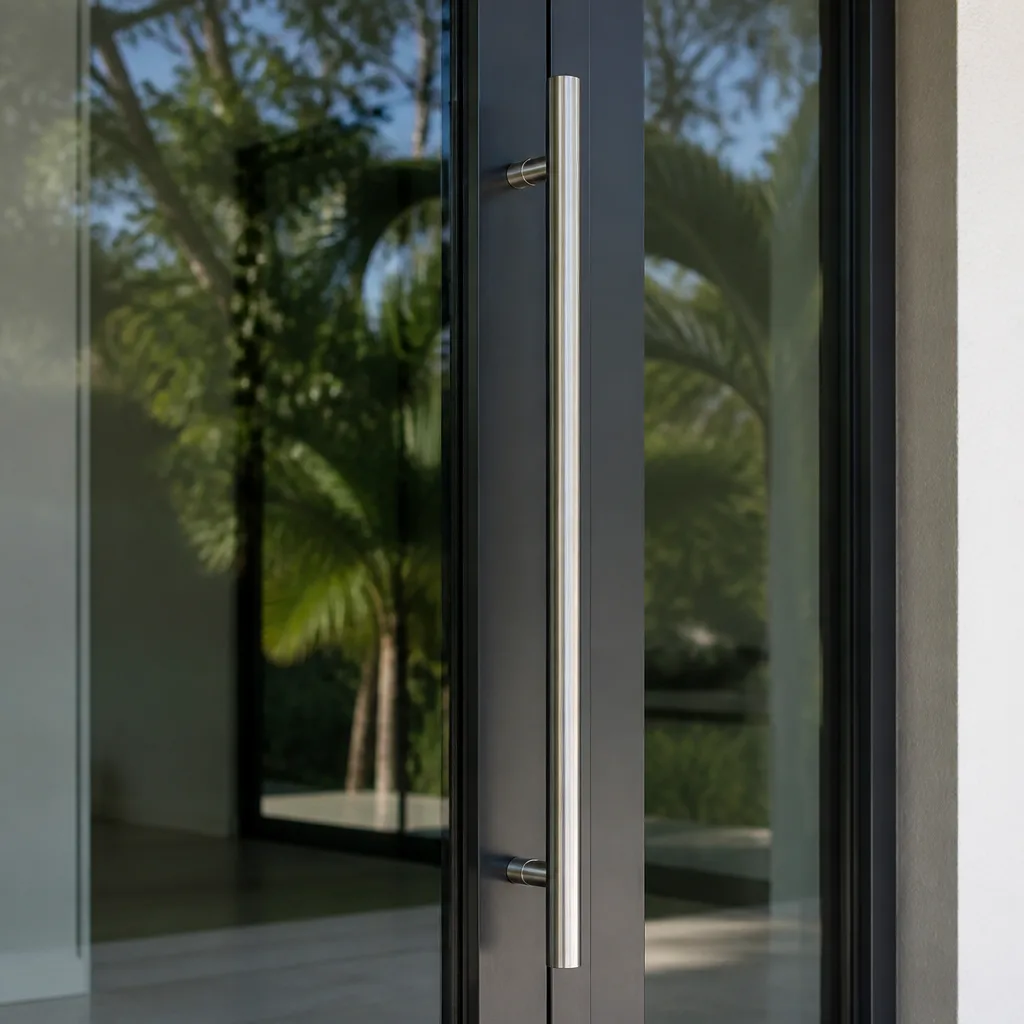
Most window and door dealers in South Miami Heights carry two or three manufacturer lines. They recommend what they stock. The recommendation follows inventory, not opening requirements.
We work differently. Sightline specifies from eight verified manufacturer lines: PGT, CGI, CWS, ES Windows, ECO Window Systems, Mr-Glass, Therma-Tru, and ViewLux. Each line occupies a distinct performance and price position. The selection process begins with the opening’s requirements, not the warehouse’s contents.
The framework we use:
- Impact rating and design pressure: What wind load and missile impact standard does the NOA require for this exposure? East-facing second-story openings in Palmetto Estates see higher design pressures than interior first-floor replacements.
- Thermal performance: U-factor and SHGC targets based on orientation and cooling load. West-facing windows need lower SHGC than north-facing. Bedrooms where occupants sleep with doors closed need better U-factor to prevent condensation on interior glass.
- Acoustic requirements: Near US-1, the Palmetto Expressway, or flight paths into Miami Executive Airport, laminated impact glass provides meaningful sound attenuation. The interlayer thickness and glass asymmetry affect performance.
- Operational type: Single-hung for vertical openings where the sash must tilt in for cleaning. Horizontal roller for wide, low openings where the sash weight would strain a hung mechanism. Casement for maximum ventilation control and best compression seal. Fixed picture for pure daylight where operation is unnecessary.
- Aesthetic constraints: Sightline, the actual visible glass area, varies by frame profile. A “same size” replacement from two manufacturers can deliver meaningfully different daylight opening if one uses a bulkier frame.
We have specified CGI Estate Collection for historic-area homes where sightline and divided-light patterns matter, and ES Windows 5000 Series for modern construction where frame sightline is minimized and glass area maximized. The same opening, different requirements, different correct answers.
The 365-Day Done Right Promise applies regardless of tier. If the product specified does not perform as documented, we make it right. The promise is stamped on every job, not offered as a courtesy after the fact.
Cost Breakdown: What South Miami Heights Homeowners Actually Pay
Price transparency is Haven Clause 1. The figures below are ranges we have documented on actual South Miami Heights quotes since 2022, adjusted for current material costs. Every project receives a written line-item quote before work begins. The measured survey and the invoice reference the same document.
| Product Category | Typical Range per Opening | What Drives Variation |
|---|---|---|
| Impact-rated vinyl single-hung window | $650 - $1,400 | Size, design pressure rating, Low-E options, grid patterns |
| Impact-rated aluminum single-hung window | $1,200 - $2,800 | Frame depth, thermal break, finish color, hardware grade |
| Impact-rated vinyl horizontal roller | $780 - $1,650 | Panel count, interlock design, screen inclusion |
| Impact-rated sliding glass door (2-panel) | $3,200 - $6,500 | Panel width, lift/slide vs. standard roller, handle set |
| Impact-rated entry door with sidelite | $4,800 - $9,200 | Core material, glass design, multi-point hardware |
| Impact garage door (16×7, standard lift) | $2,800 - $5,400 | Wind load rating, insulation, window section count |
| Permit and inspection fees | $180 - $350 per project | Number of openings, structural review required |
| Reframing or sill repair | $400 - $1,200 per opening | Extent of rot, termite damage, or code upgrade |
These ranges include product, labor, installation materials, and standard trim. They do not include interior drywall repair, exterior stucco patching, or custom paint matching, which are quoted separately if needed.
We offer a Free Second Opinion on Any Written Estimate. Bring us a competitor’s line-item quote and we will review the specification, verify the NOA numbers, and identify any gaps between what is promised and what the documentation supports. No charge, no obligation.
For window replacement in South Miami Heights, the most common scope we see is 8-12 openings in a 1970s-1990s concrete block home, with some reframing required at sills. Typical project range: $8,500-$18,000 including permits. Every quote is written, every line item is explained, and the total does not change once work starts unless the customer requests a change order in writing.
Common Mistakes to Avoid
- Accepting “Florida-approved” as sufficient. In South Miami Heights, Florida Product Approval without Miami-Dade NOA will fail inspection. Verify the NOA number independently before signing.
- Ordering from online retailers without local installation support. The product may hold NOA, but if the retailer has no relationship with Miami-Dade inspectors, permit issues and warranty claims become your problem alone.
- Ignoring frame material for orientation. Dark vinyl on a south-facing wall in South Miami Heights will warp faster than the manufacturer’s general warranty suggests. Match material to exposure.
- Skipping the measured survey. A quote without a documented site measurement is a guess. Guesses become change orders, or worse, ill-fitting products.
- Pulling permits as owner-builder to save money. The savings are typically $200-$400. The liability transfer is complete and permanent. If the inspector rejects work, you pay for correction.
- Assuming all impact glass is equal. Laminated glass interlayer type (PVB vs. SGP), thickness, and asymmetry affect impact resistance, sound attenuation, and UV transmission. The NOA specifies what is approved; substitutions invalidate the installation.
- Neglecting to request the photo record. Documented evidence of proper fastening and flashing is your protection if water intrusion appears years later. Without it, proving installation error becomes difficult.
When to Call a Professional
Call a licensed window and door contractor when you see daylight around a closed sash, feel airflow during a pressure differential, notice condensation between panes, or find soft spots in the frame or sill. In South Miami Heights, these symptoms progress faster than in inland climates due to salt-air corrosion and thermal cycling.
Call before hurricane season if your home still has non-impact windows and you are considering upgrade. Permit timelines in Miami-Dade lengthen seasonally, and product lead times for NOA-compliant impact units can extend 8-12 weeks for custom sizes.
Sightline Windows & Doors South Miami Heights offers free estimates in South Miami Heights. We bring the measured survey, the written price, and the NOA verification to every appointment. Call (786) 481-0414 to schedule.
Frequently Asked Questions
Window replacement in South Miami Heights typically ranges from $650-$1,400 per opening for impact-rated vinyl and $1,200-$2,800 for impact-rated aluminum, with full-home projects of 8-12 openings commonly falling between $8,500-$18,000 including permits. The final price depends on opening size, frame condition, and whether reframing is required. Call (786) 481-0414 for a written estimate based on your measured survey - estimates are free.
Florida Product Approval is a statewide standard; Miami-Dade NOA is a separate county-level approval required in the High-Velocity Hurricane Zone. A product can pass statewide testing and still fail Miami-Dade’s stricter missile-impact and pressure standards. Only Miami-Dade NOA-compliant products pass inspection in South Miami Heights. Always verify the NOA number in the county database before signing a contract.
No. At Sightline, the written quote generated from your measured survey is the final price unless you request a written change order. Haven Clause 1 requires that the measurement and the quote be the same document. We have completed over 18,000 openings since 2012 under this principle.
Yes. Sightline pulls all required permits as the licensed contractor, lists our license number on the application, and schedules all inspections. You receive the completed permit package and inspection results at job closeout. We do not ask homeowners to pull permits as owner-builders.
Most residential window replacements of 8-12 openings are completed in 2-3 working days, assuming no extensive reframing is required. Permits in Miami-Dade typically take 5-10 business days for approval. Product lead times vary by manufacturer and custom sizing, currently 4-10 weeks for most impact-rated units. We schedule installation only after permit approval and product delivery to avoid weather exposure of open rough openings.
Look for a permanent label on the glass or frame showing the Miami-Dade NOA number, the design pressure rating, and the manufacturer. If the label is missing or illegible, check the Miami-Dade approved products database with any visible manufacturer information. Non-impact windows in South Miami Heights installed before 1994 are common and do not meet current code. We provide free verification during our estimate visit.
The Bottom Line
Every window and door decision in South Miami Heights begins with the building code, not the catalog. The Miami-Dade NOA is the gatekeeper: no valid NOA, no legal installation, no insurance credit, no resale protection. Verify it yourself. Demand a measured survey that becomes your written quote. Confirm permit responsibility rests with the licensed contractor. Select frame material for your specific salt-air exposure and orientation. And require documented evidence - photos, permits, warranties - for every opening. The homes that weathered Hurricane Irma best were not lucky; they were specified, installed, and inspected to a standard that left nothing to chance. Explore more guides & resources for South Miami Heights homeowners.
Written by Sonia Raman, Owner at Sightline Windows & Doors South Miami Heights, serving South Miami Heights since 2012.
Six Reasons Homeowners Choose Sightline Windows & Doors South Miami Heights
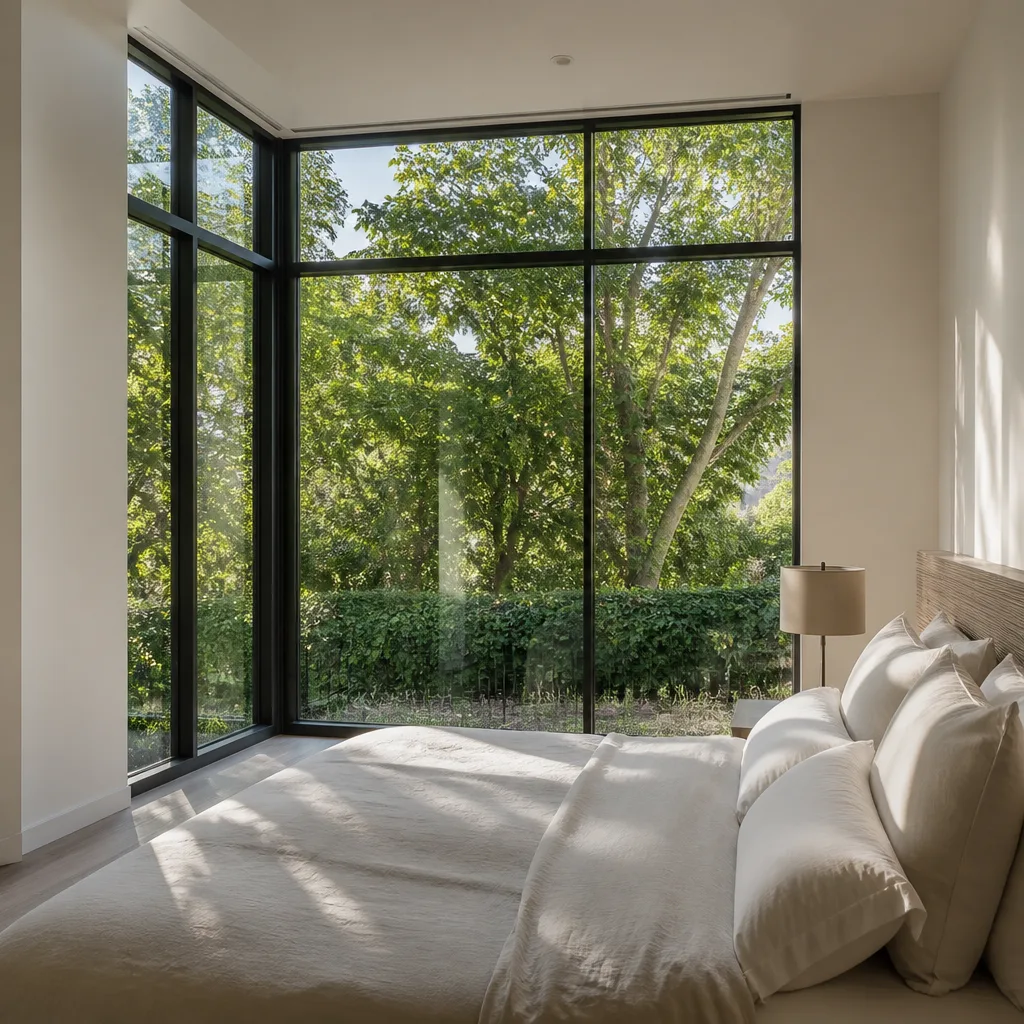
Impact systems engineered to design pressures up to +/-100, matched to your wind zone - your openings hold when the storm arrives.
Low-E insulated impact glass from our manufacturer lines commonly cuts monthly cooling bills 20-30%.
Laminated impact glass shuts out up to 40% of outside noise - traffic, neighbors, weather.
Monitoring services run $30-90 a month. Laminated impact glass resists forced entry around the clock, with no subscription.
Florida homeowners average around 25% savings on the windstorm portion of their policy after protecting every opening - some homes qualify for more.
A full impact package upgrades curb appeal, buyer confidence and appraised value in one project.
Other Sightline Windows & Doors South Miami Heights Services
What Neighbors Say About Sightline Windows & Doors South Miami Heights